If you need support to read this webpage or online letter via translation into an additional language please contact the translation service using this link https://www.edinburgh.gov.uk/languages
If you want to learn about tech and how to make your own apps and games this is the place to learn the skills!
All of these tasks are extra, fun, things to do, not must complete tasks, so only attempt it if you fancy it after your other work.
Quiz Time
This Friday is the P4-P7 Clan Quiz.
We’ll be using forms to answer this quiz.
But did you know you can create your own quizes in forms?
Here’s a video about how to do that. Ignore the bit at the end for teachers about posting to assignments.
So why not try it yourself?
Maybe you could set a quiz on your favourtie subject for your class and post it using the share link feature onto your class playground/kids chat or tech channel.
P6 and P7 Optional Advanced task.
Another interesting feature of forms is branching. This is when the answer you give to a question leads decides which is the next question.
Maybe you could use this idea to create a quiz that gets harder if you are finding it too easy and easier if you are finsing it too hard?
(TOP FACT: This is actually how Sumdog Works, If you are getting questions right it gives you harder questions. If you get them wrong it gives you easier questions.)
NHS Grampian have created a helpful resource for parents with concerns about the expected return to school next week (or last week for the lower school) that we would like to share.
If you need support to read this webpage or online letter via translation into an additional language please contact the translation service using this link https://www.edinburgh.gov.uk/languages
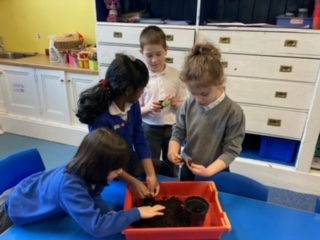
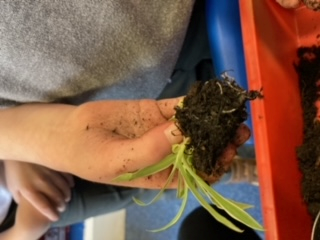
P3a requested plants for the classroom. We took this as an opportunity to work on our co-operation skills by working in small groups to replant some spider plants. Pupils had to take turns and decide who would carry out each part of the process. We will be watering the plants weekly, taking the time to observe how the plants are changing as they grow.
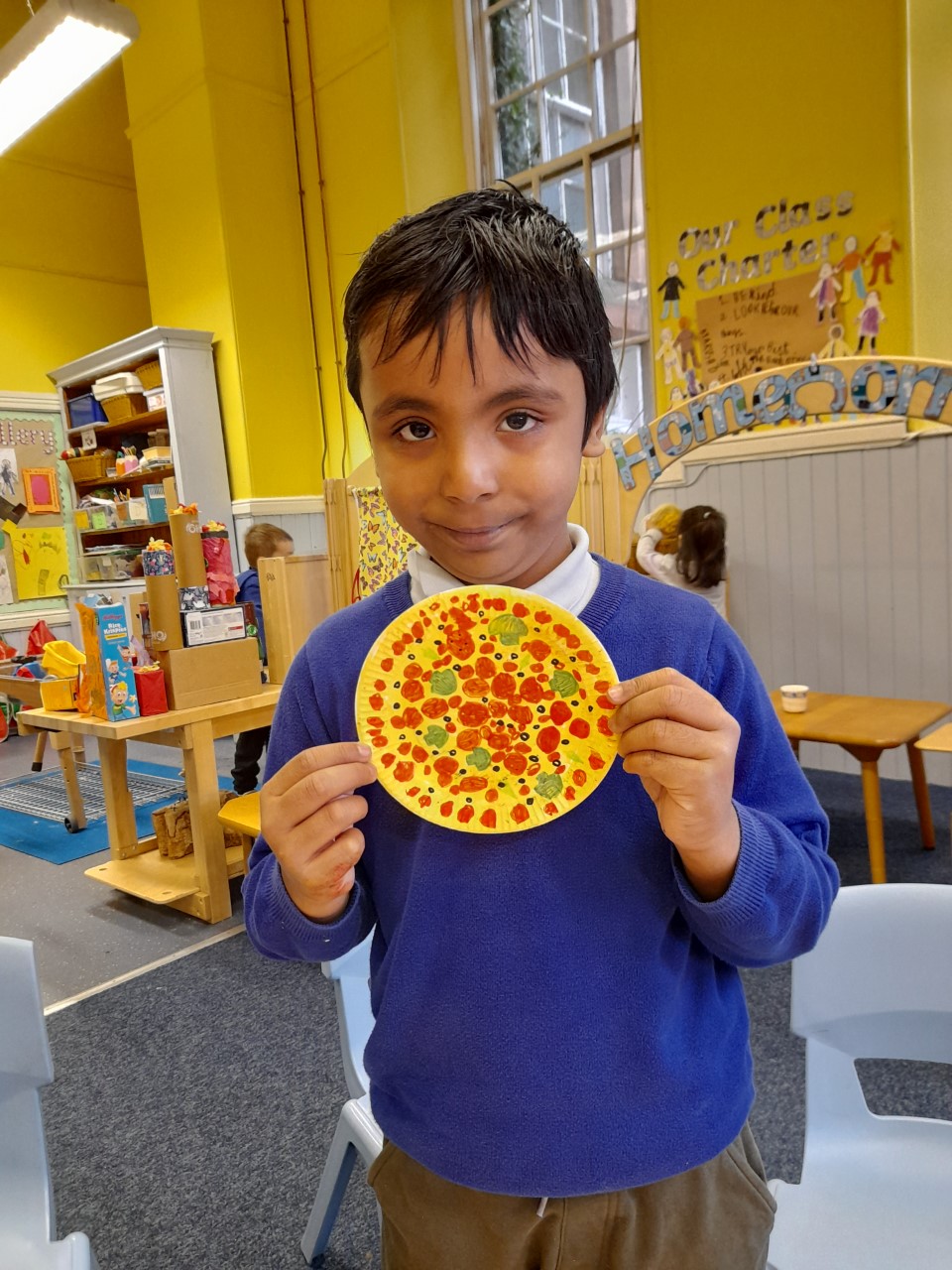
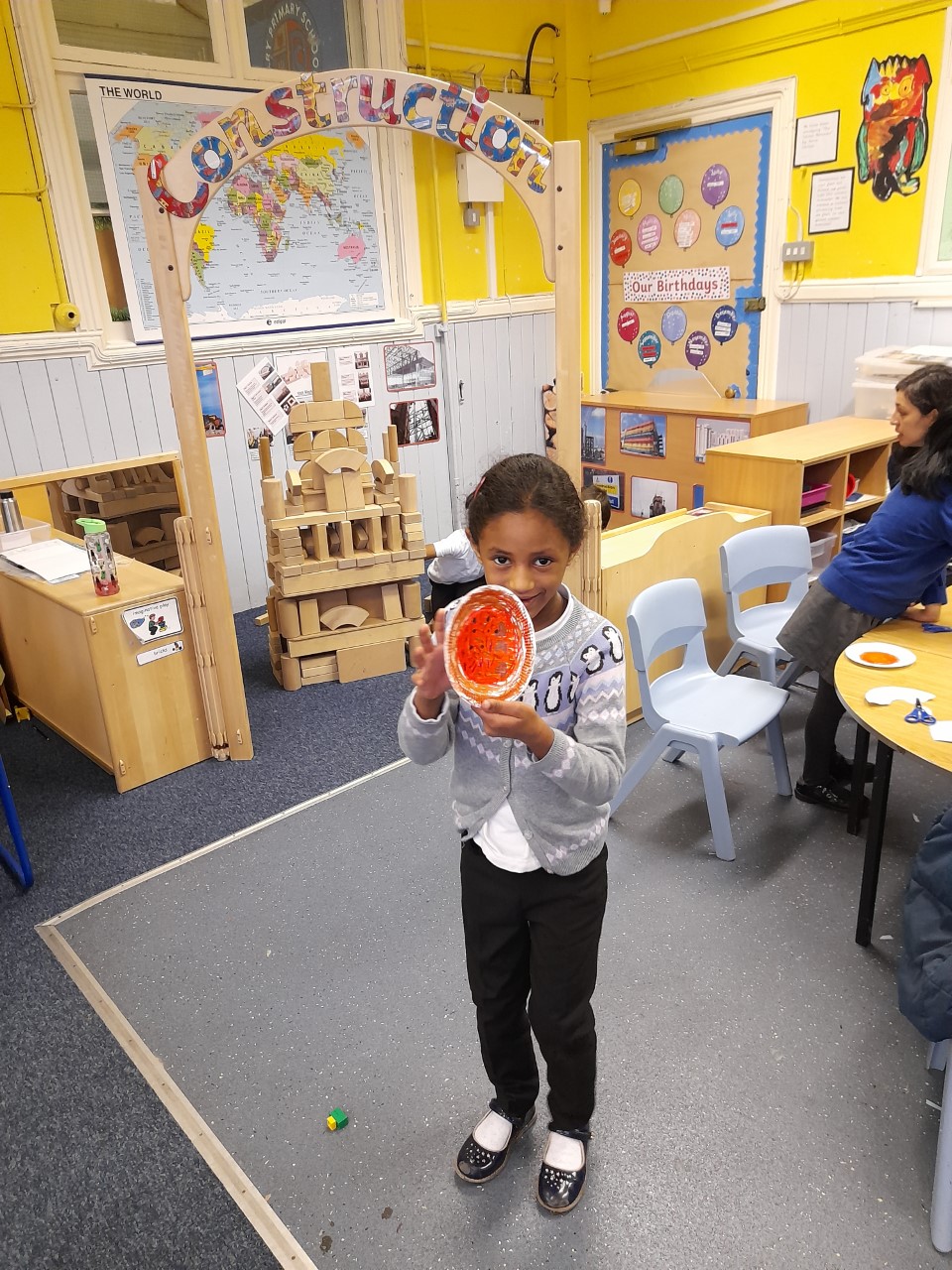
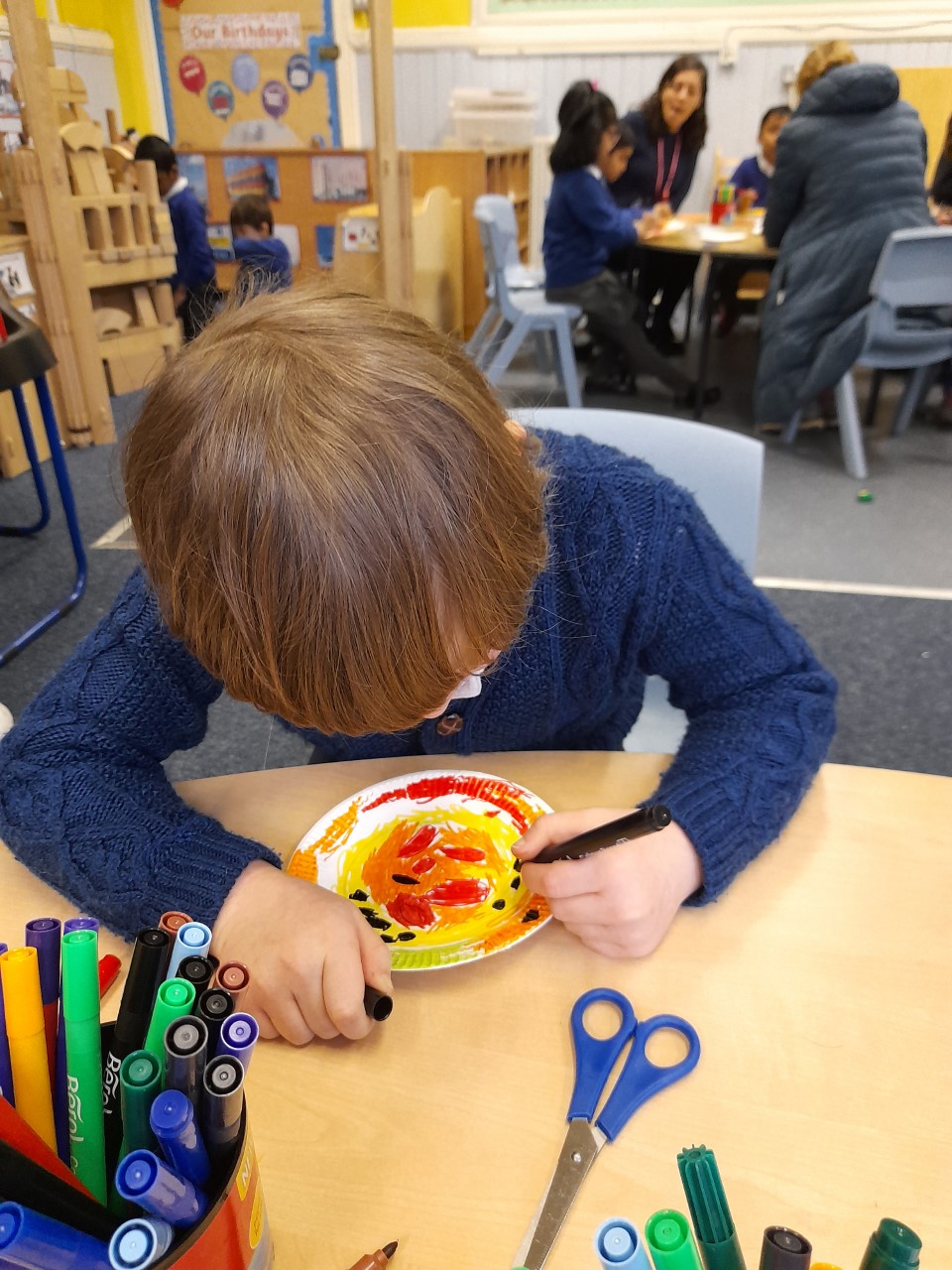
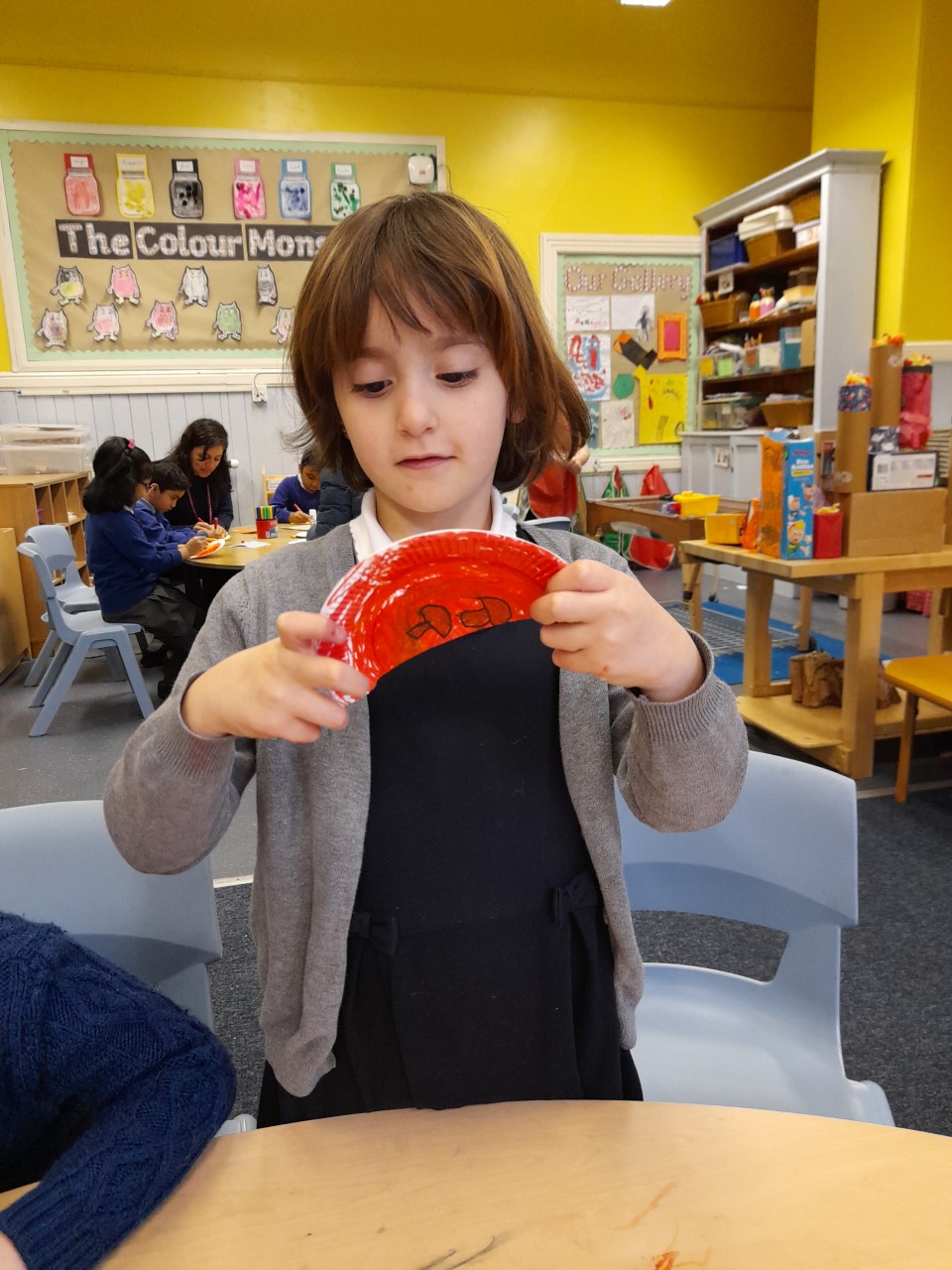
Primary 1/2 were learning about fractions. We made whole paper plate pizzas. Then we cut them into two equal parts to learn about a 1/2. We had great fun!
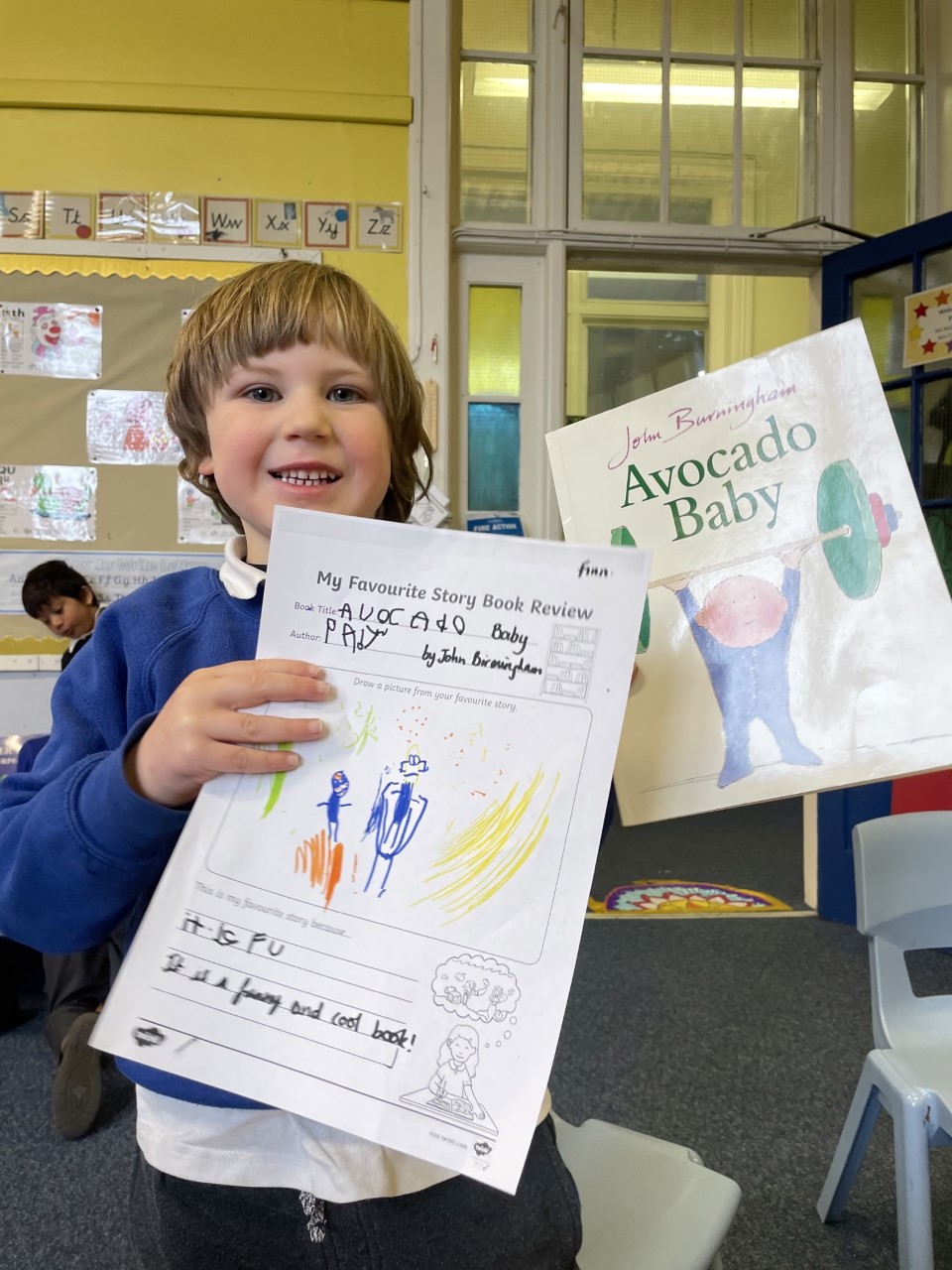
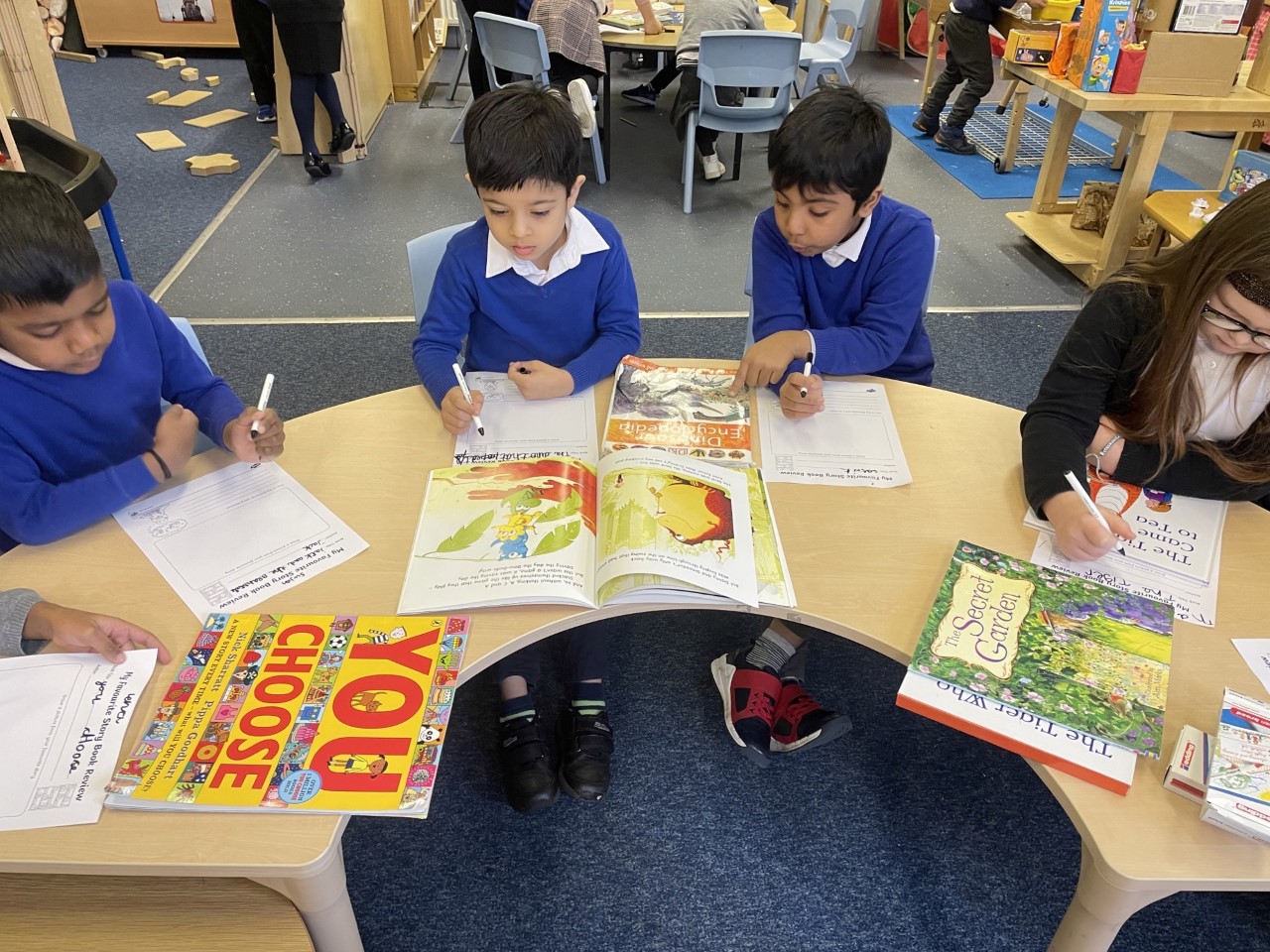
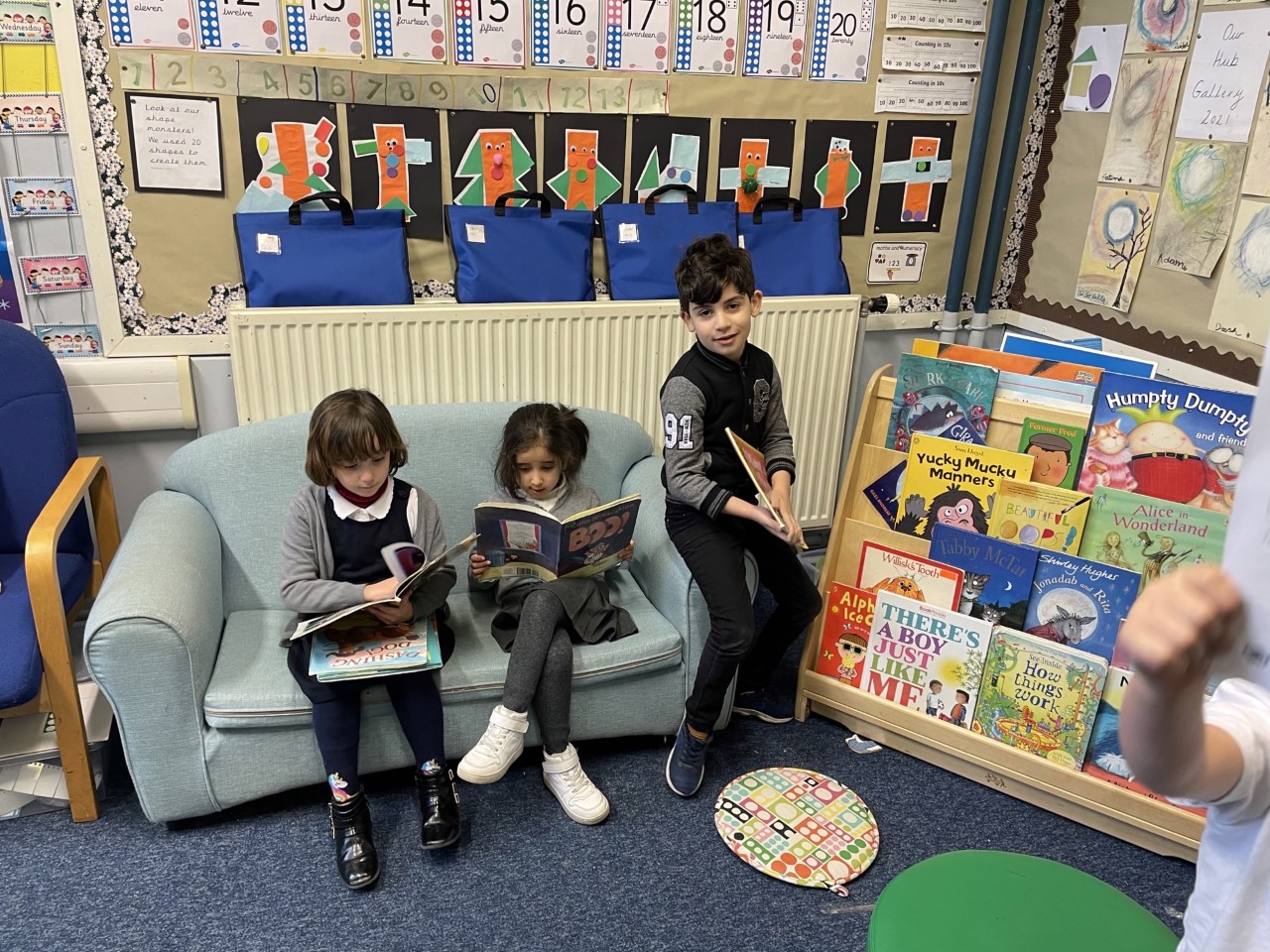
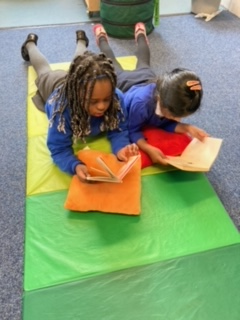
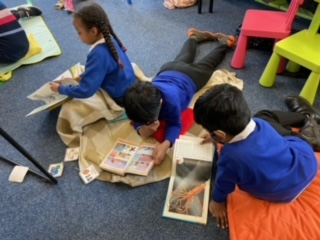
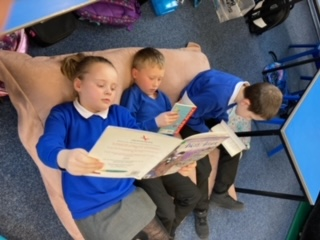
We had a wonderful day celebrating all things book related. All children enjoyed an interactive sorry and rhyme session with Christine at Fountainbridge Library and we took time to think about our favourite book and why we like it. We extended our library and spent the day exploring new texts of different genres.
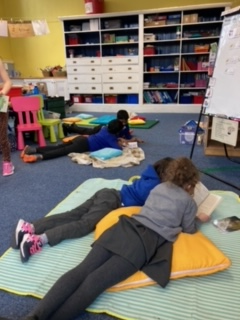
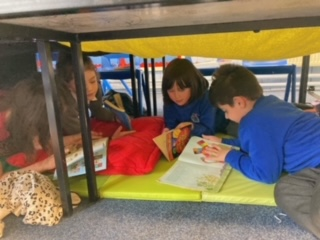
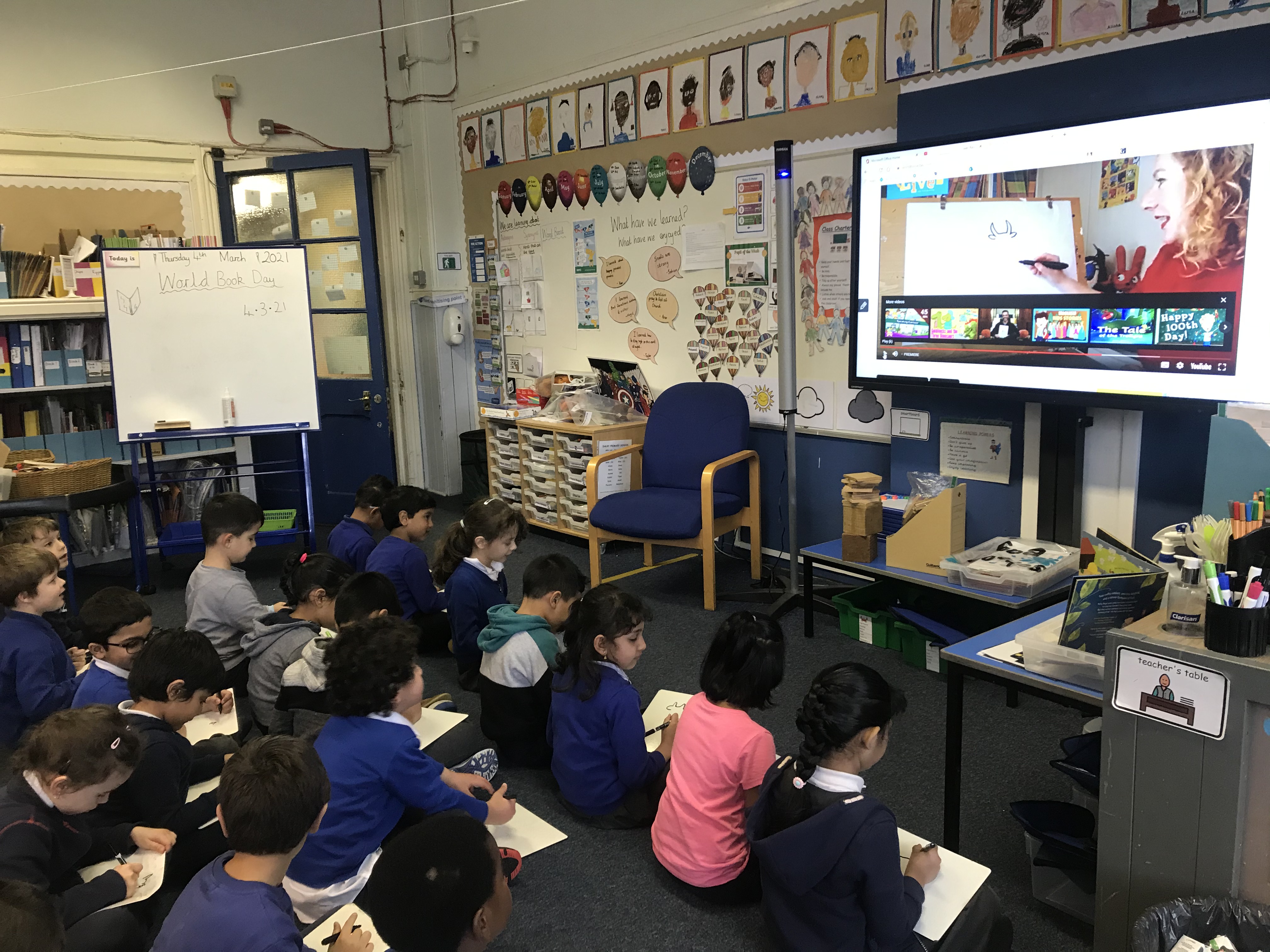
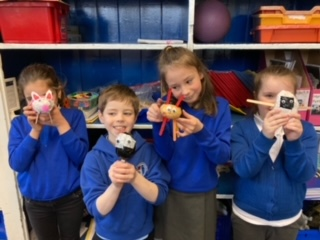
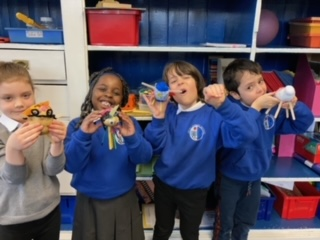
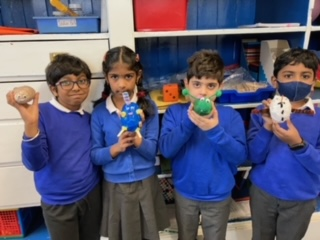
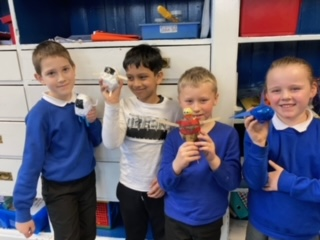
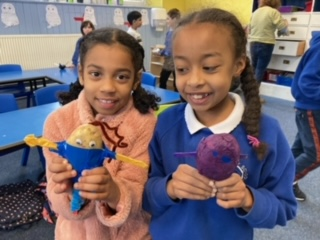
P3a had a great day celebrating World Boom day. They watched a live show where authors and illustrators gave suggestions on how to create stories. All pupils joined in drawing with Lydia Monks and Rob Biddulph, they also started to create a story about the character they have drawn. Pupils problem solved to create a fun environment to read in this afternoon and tomorrow they will be turning a potato into their favourite character.
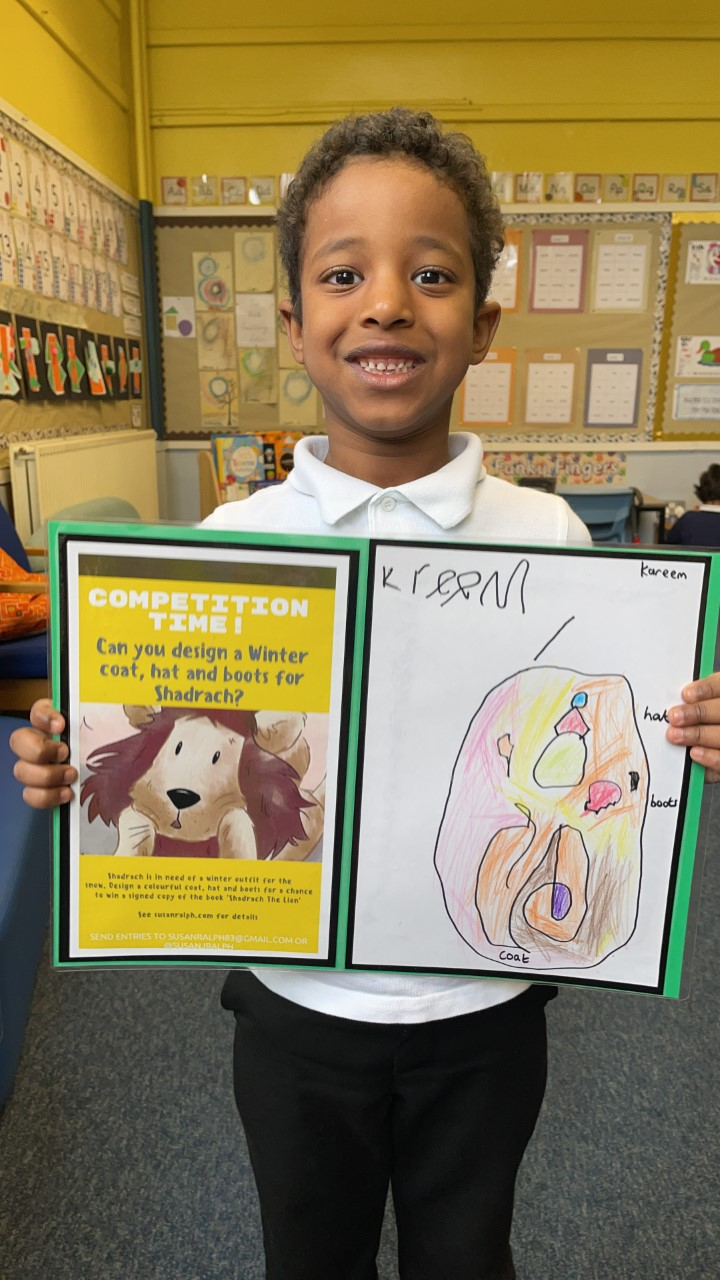
To celebrate this year’s World Book Day we entered a competition to design a winter coat, hat and boots for “Shadrach” the lion, based on the book Shadrach by local author Susan Ralph.
We were delighted that our very own Kareem was a winner! We will be receiving a signed copy of the book for our class library. Well done Kareem!
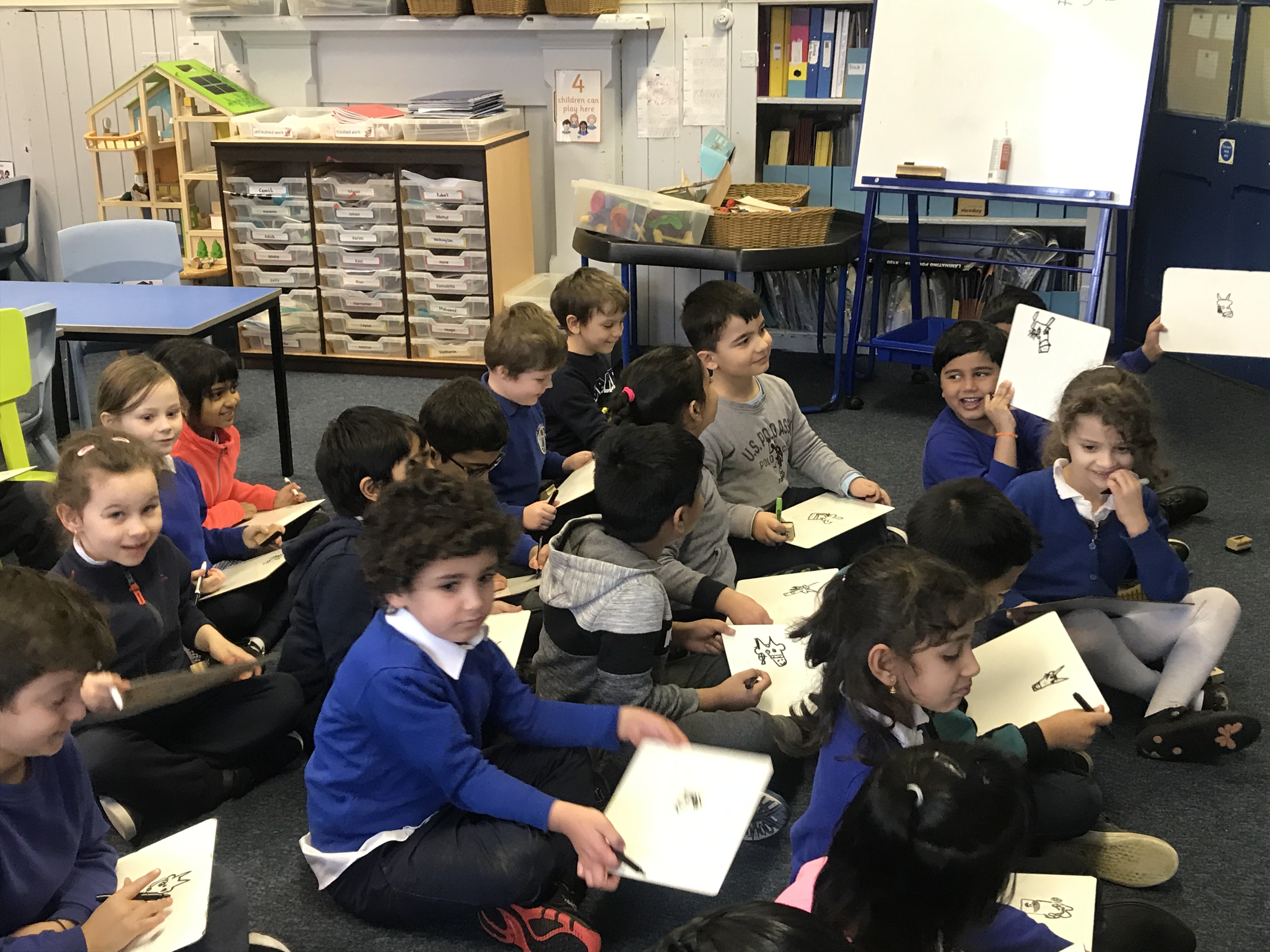
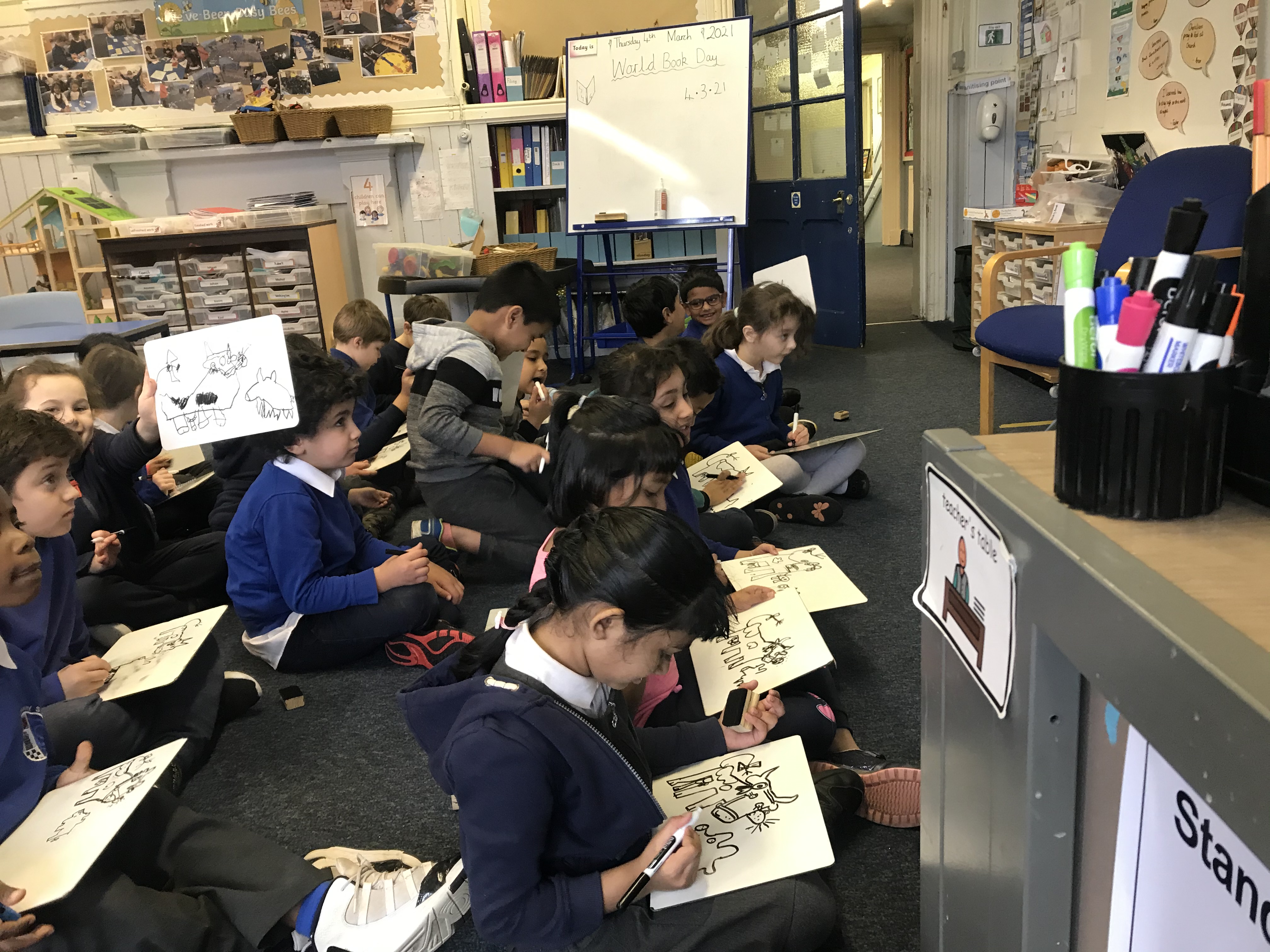
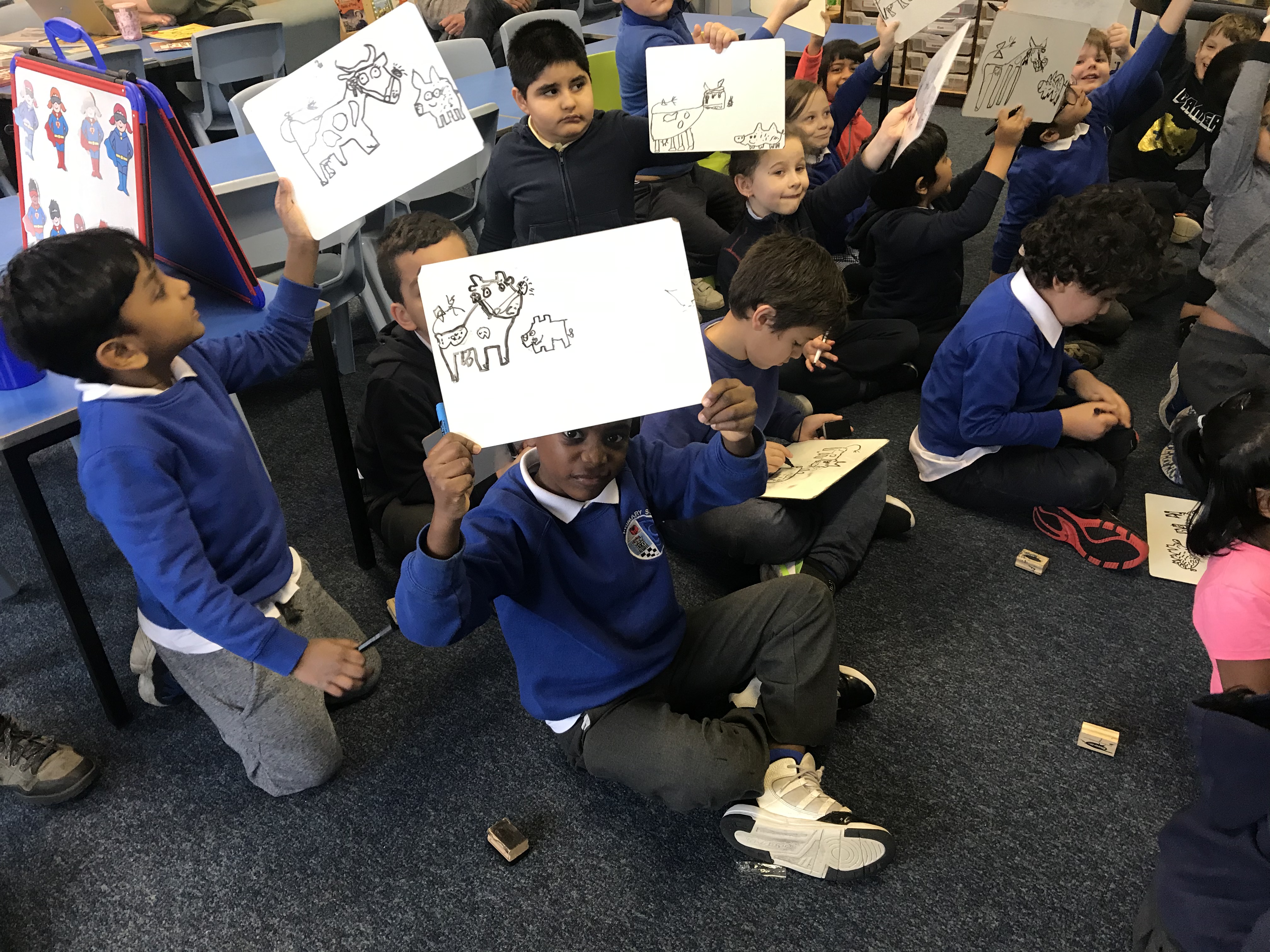
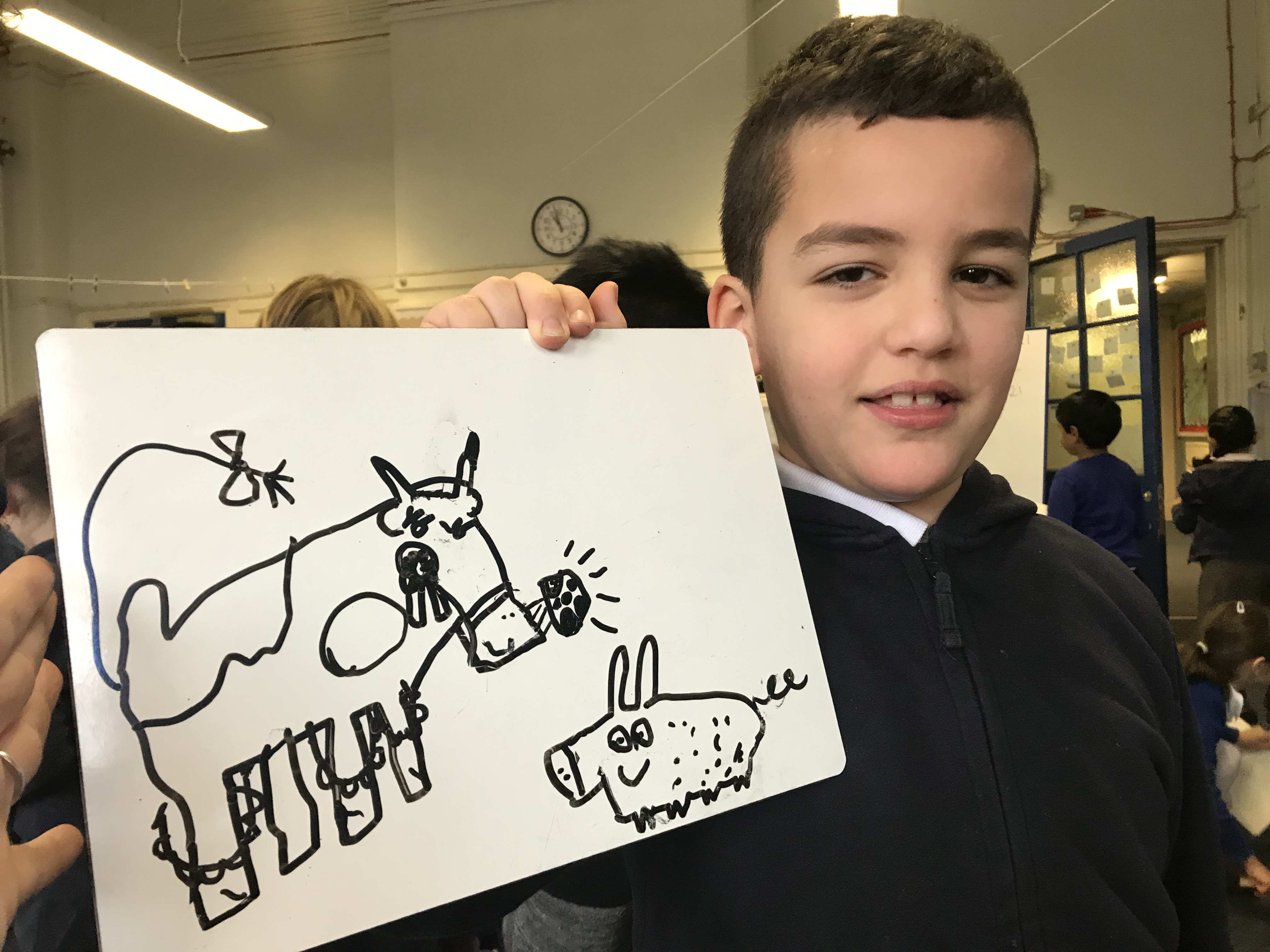
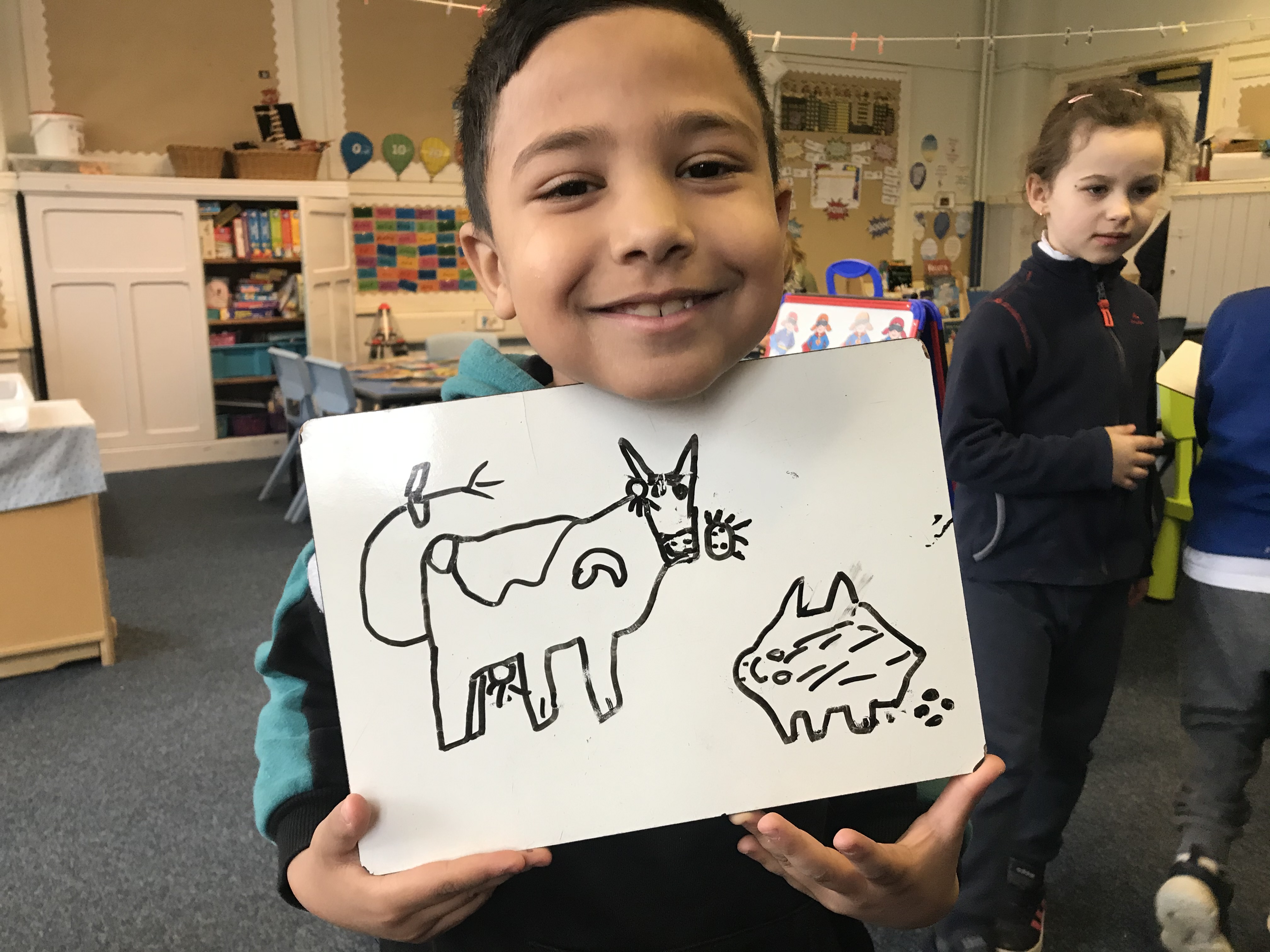
Primary 2 had a great time celebrating World Book Day last week by watching a live stream of authors and illustrators including taking part in a drawing lesson with the author of ‘What the ladybird heard,’ Lydia Monks. She also really loves our drawings of the fine prize cow when we sent them to her on Twitter.
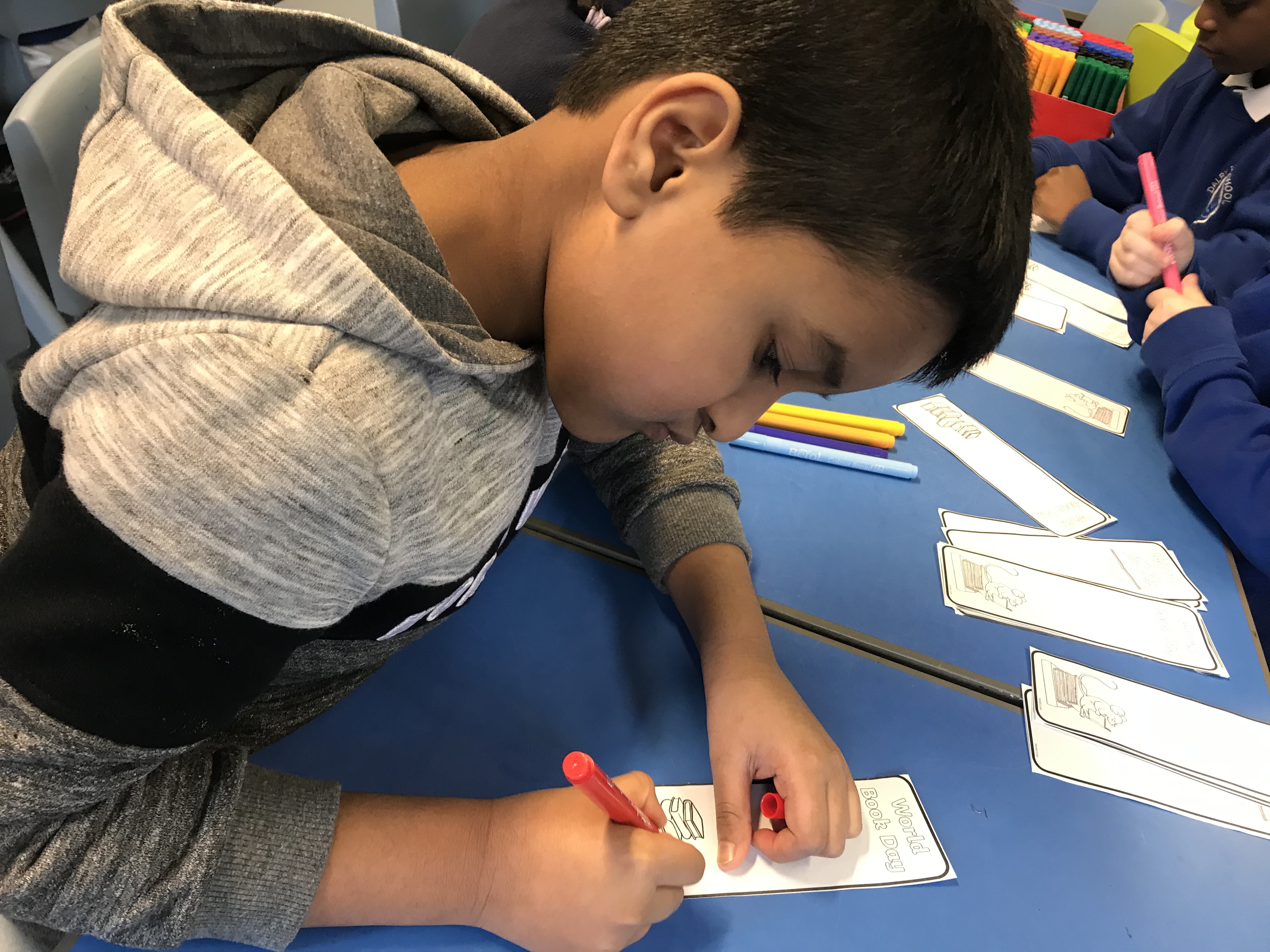
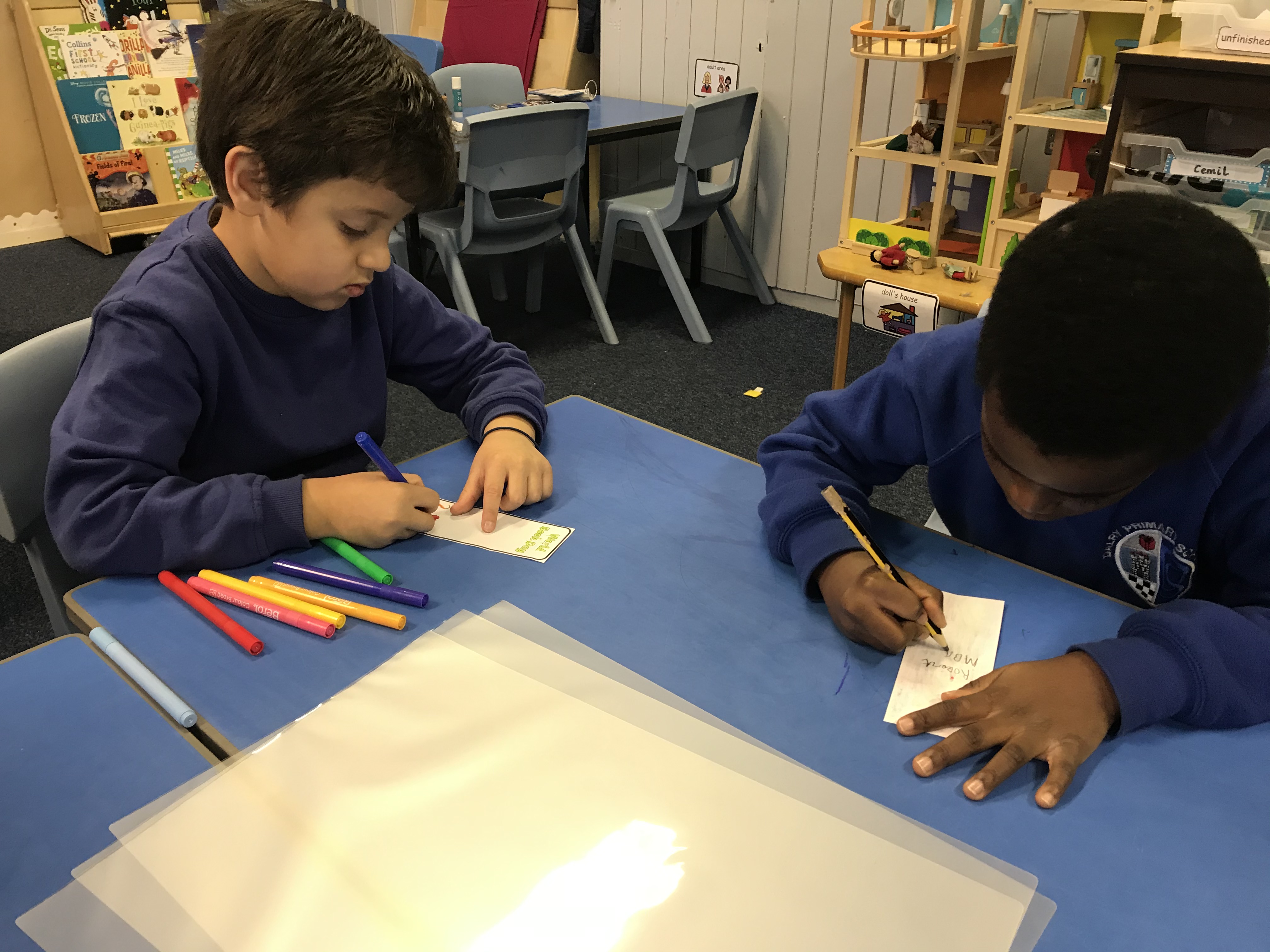
We also made bookmarks to take home and took part in a story book scavenger hunt in class looking for characters, objects and other things in the books. On Friday, we split into 2 groups to act out the story of ‘What the ladybird heard’ and had great fun doing the animal noises
They all made either their favourite character or designed a new character, then they started to develop a story for their character. All the potato characters were sent home so pupils can tell their stories to people at home next week as part of their homework.