Primary 1/2 were learning about fractions. We made whole paper plate pizzas. Then we cut them into two equal parts to learn about a 1/2. We had great fun!
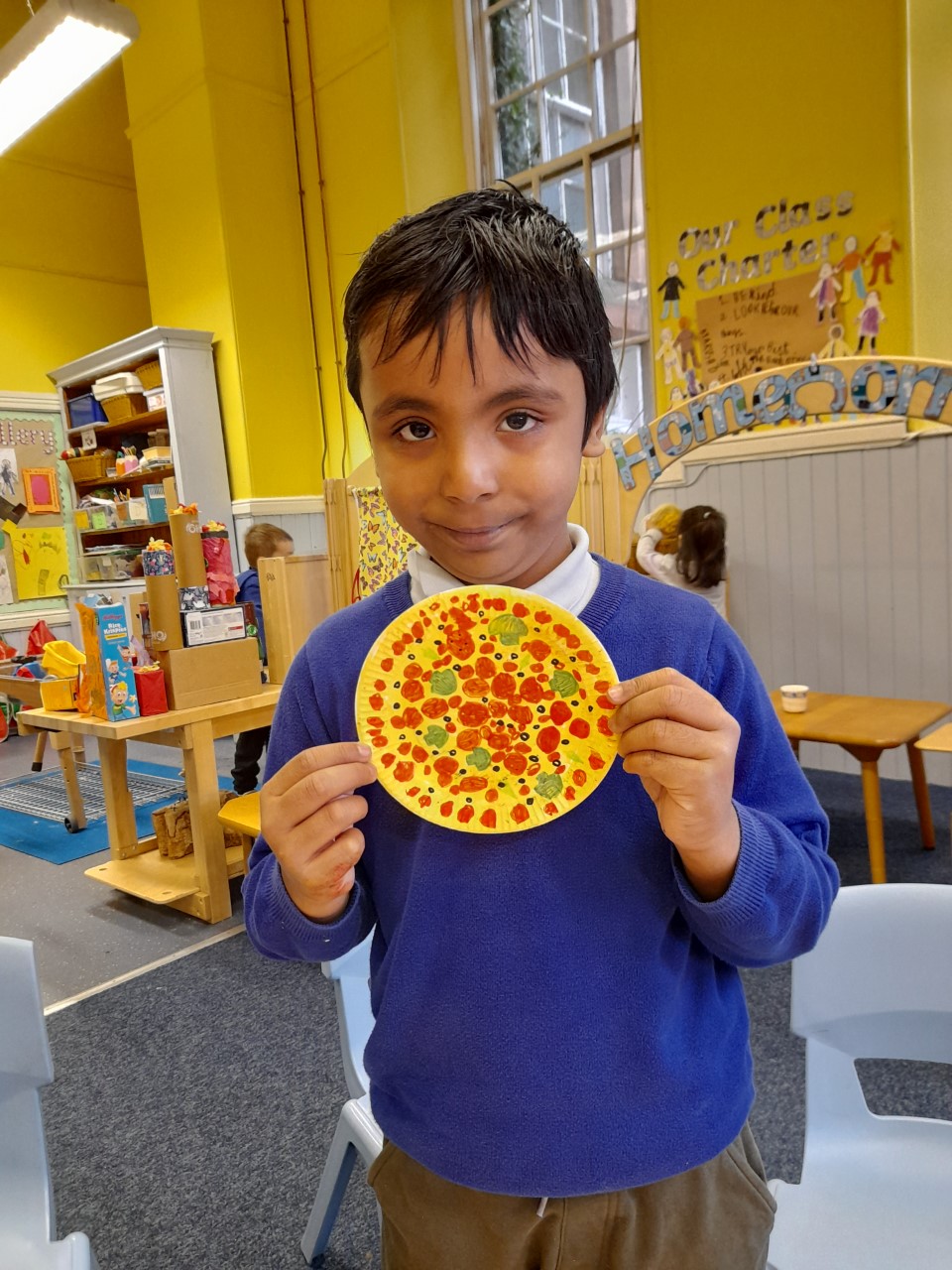
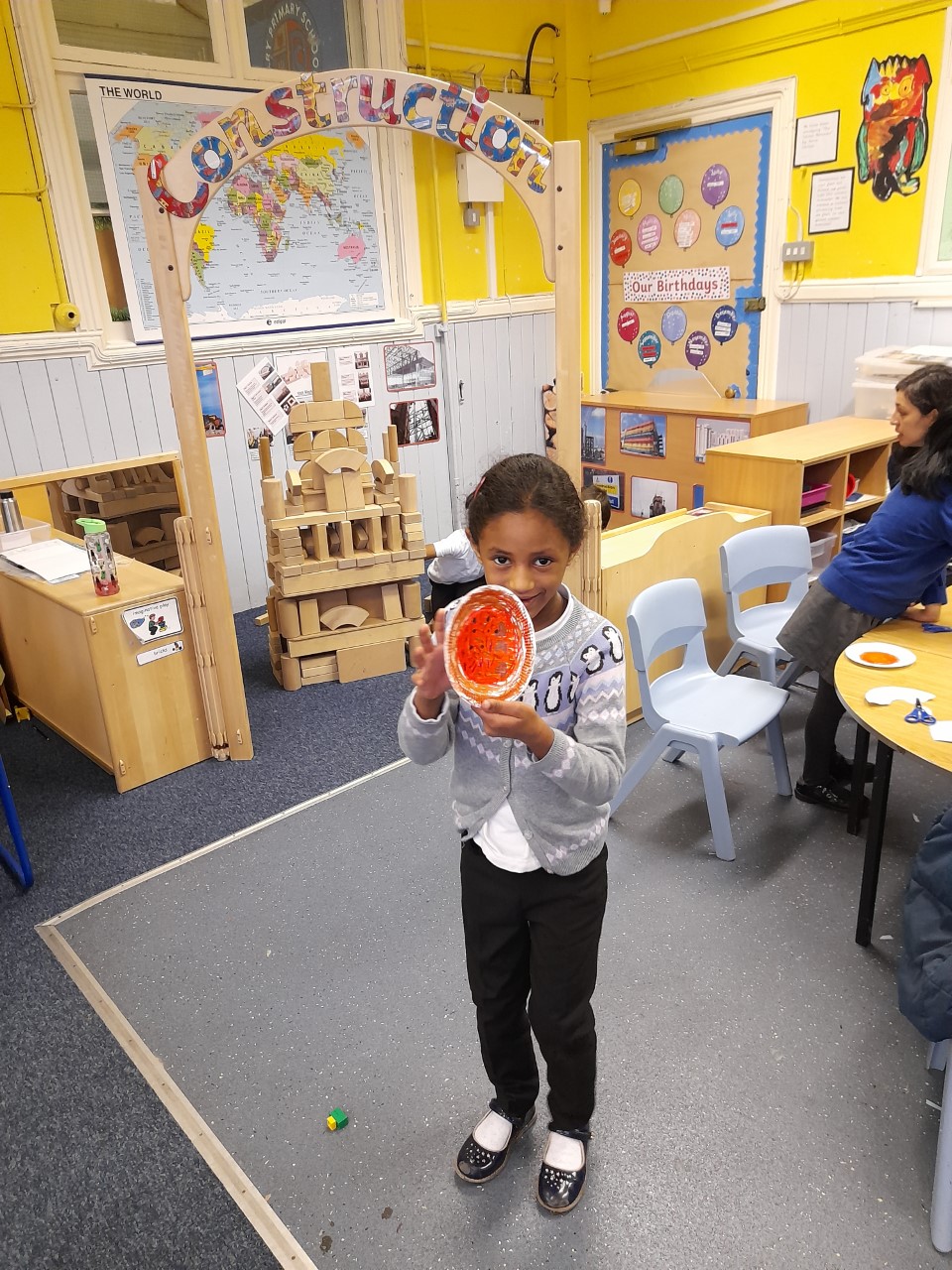
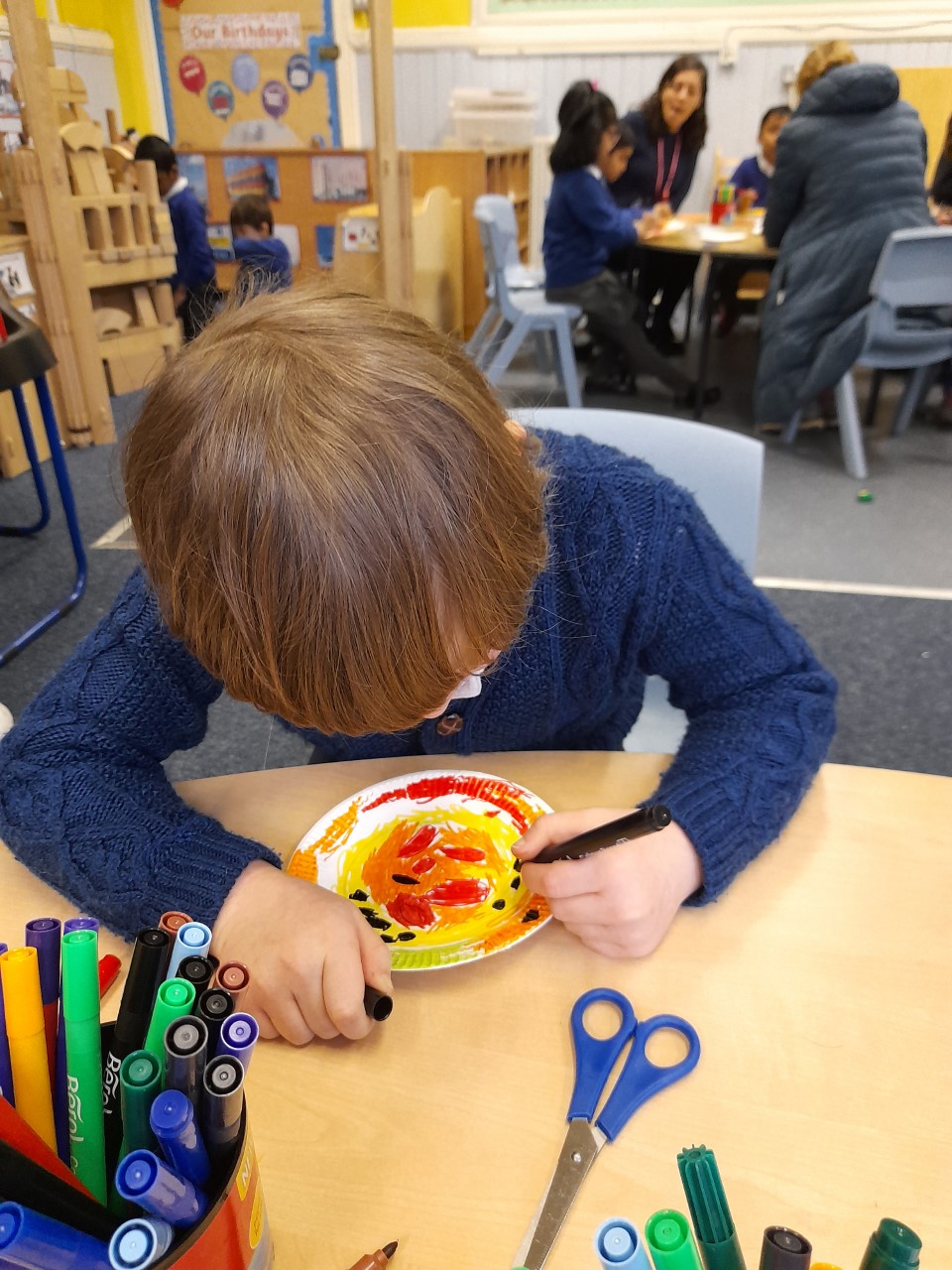
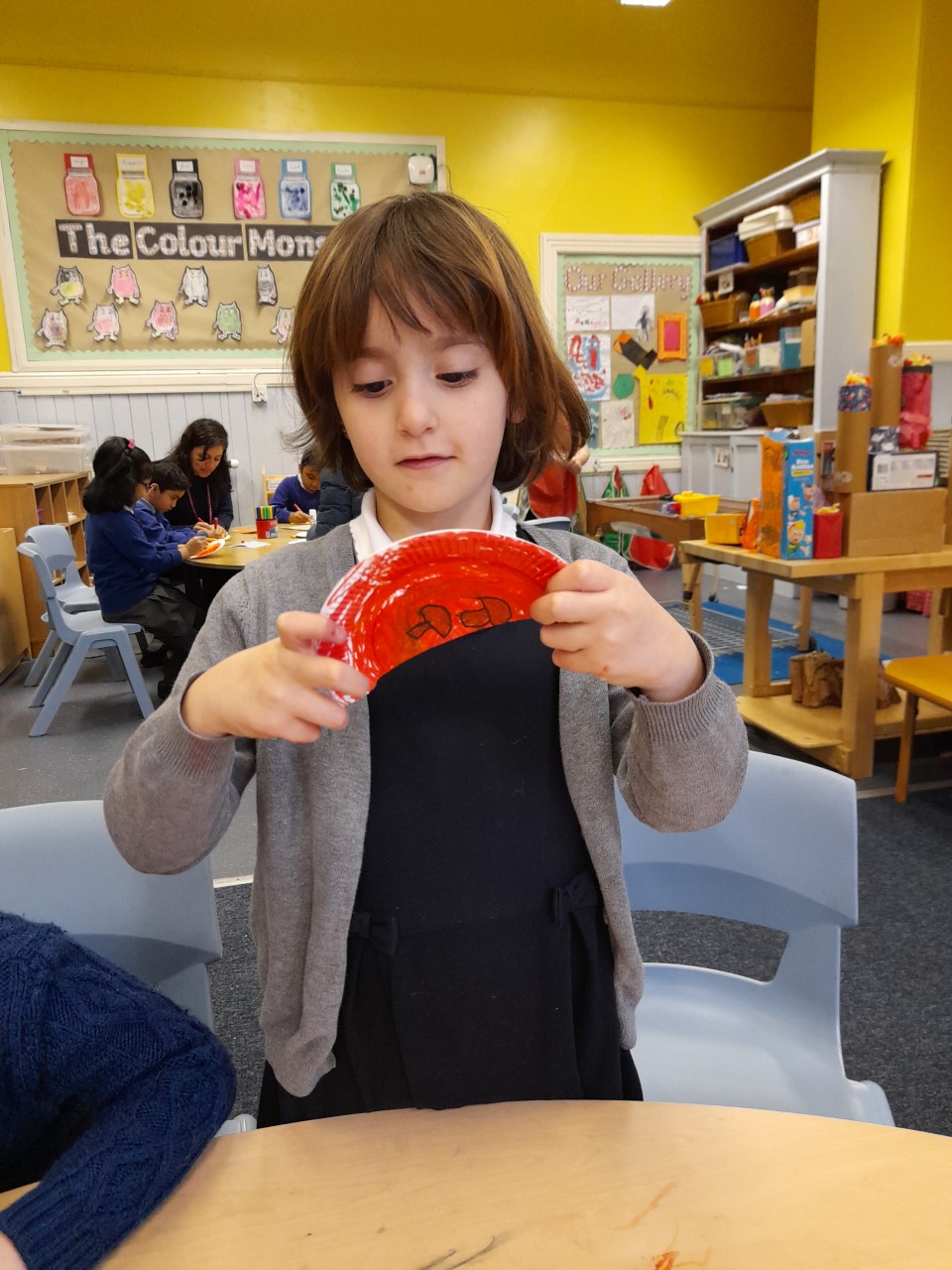

Primary 1/2 were learning about fractions. We made whole paper plate pizzas. Then we cut them into two equal parts to learn about a 1/2. We had great fun!
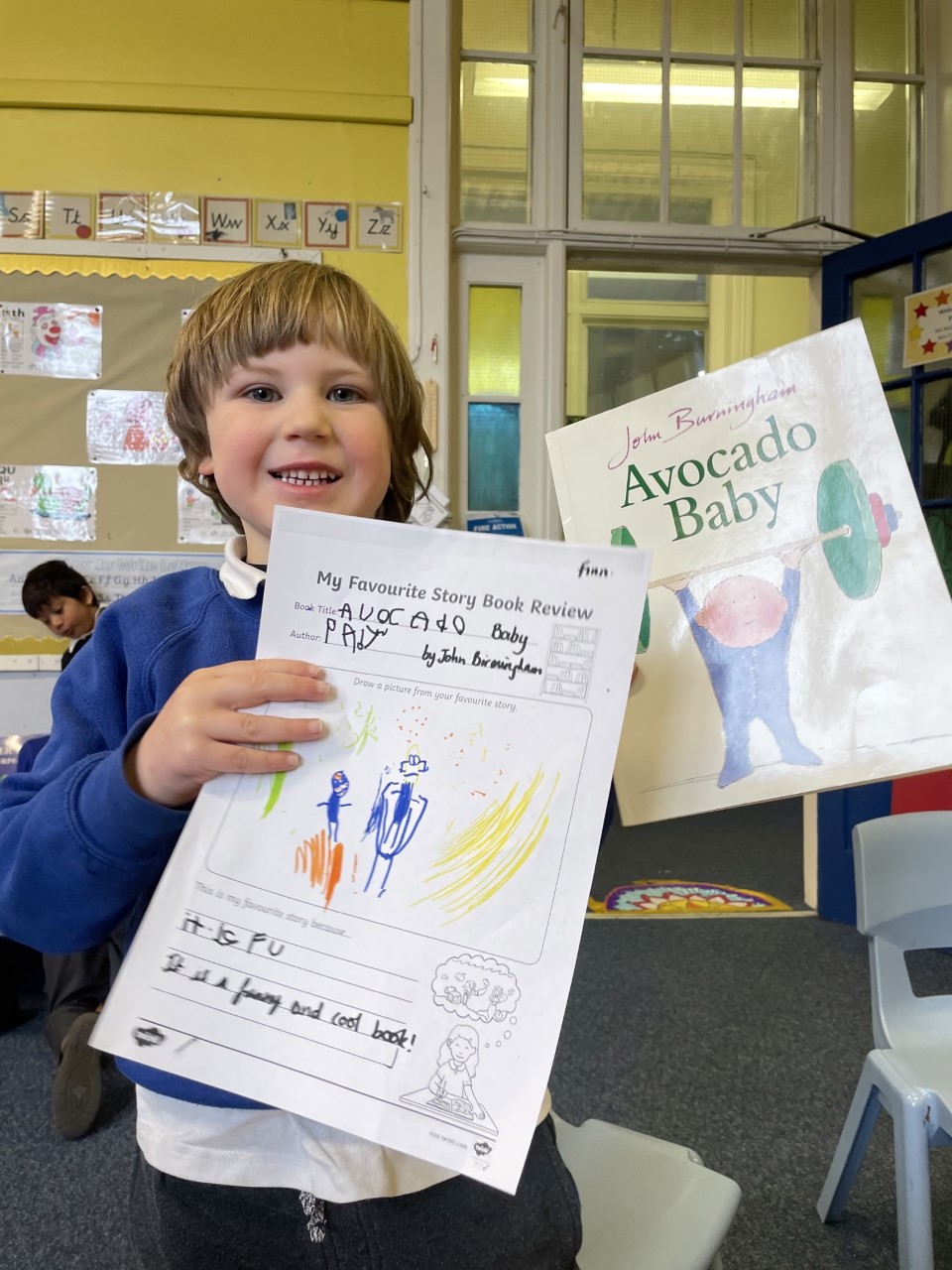
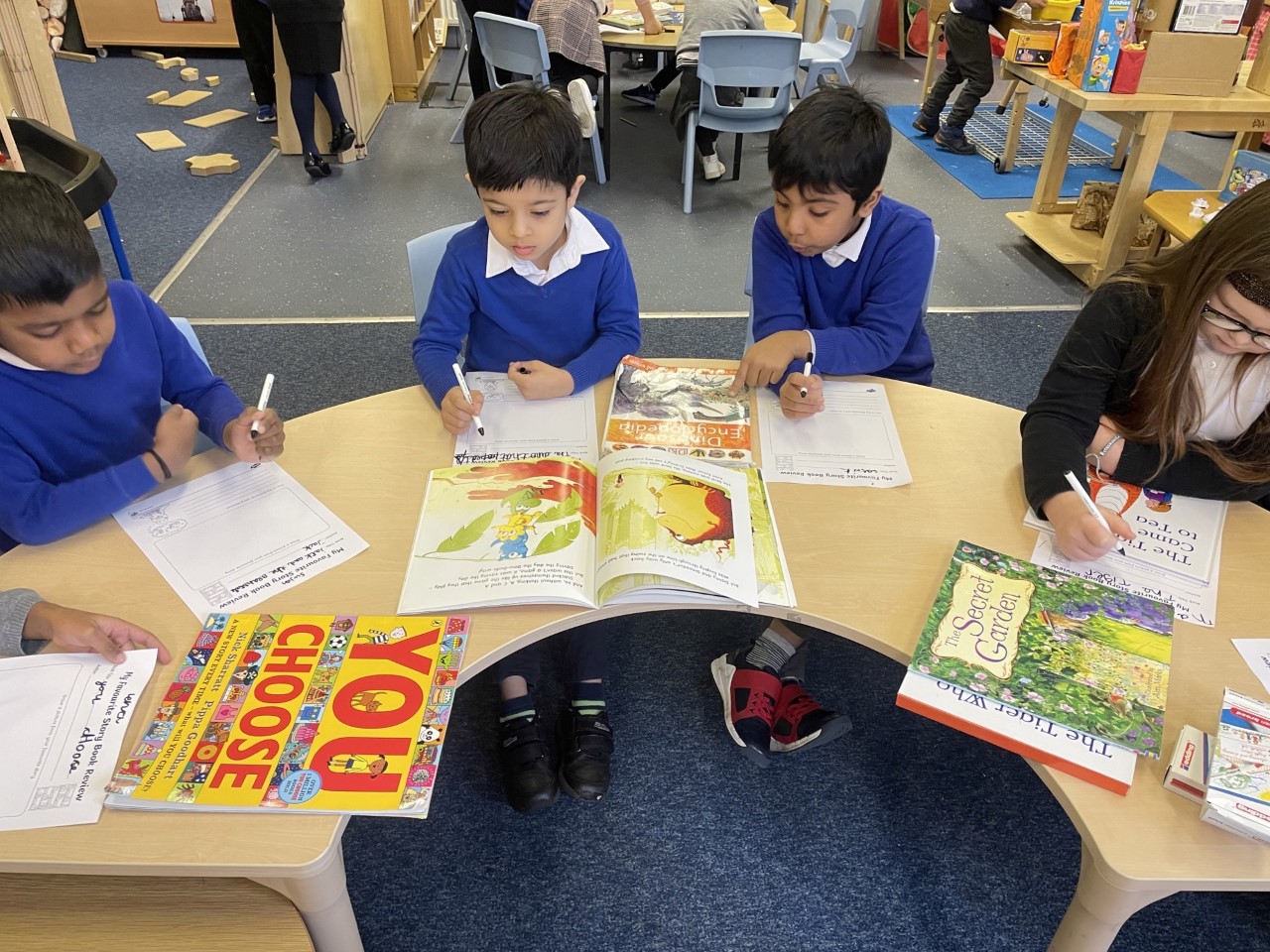
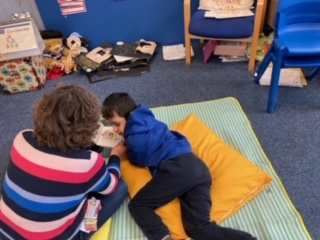
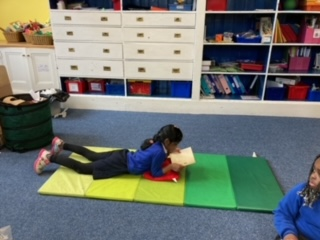
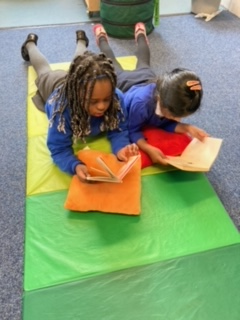
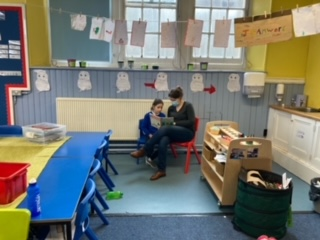
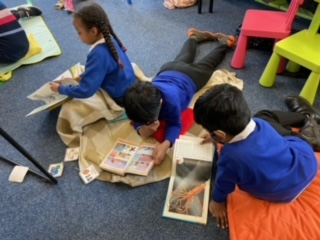
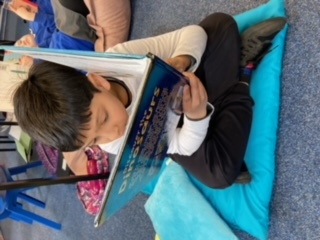
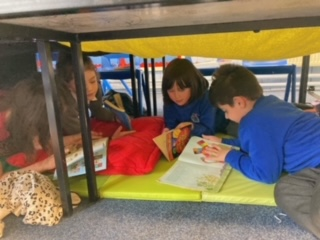
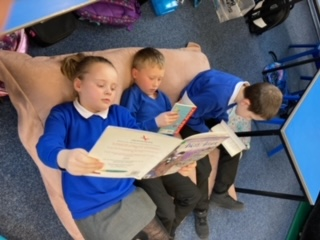
We had a wonderful day celebrating all things book related. All children enjoyed an interactive sorry and rhyme session with Christine at Fountainbridge Library and we took time to think about our favourite book and why we like it. We extended our library and spent the day exploring new texts of different genres.
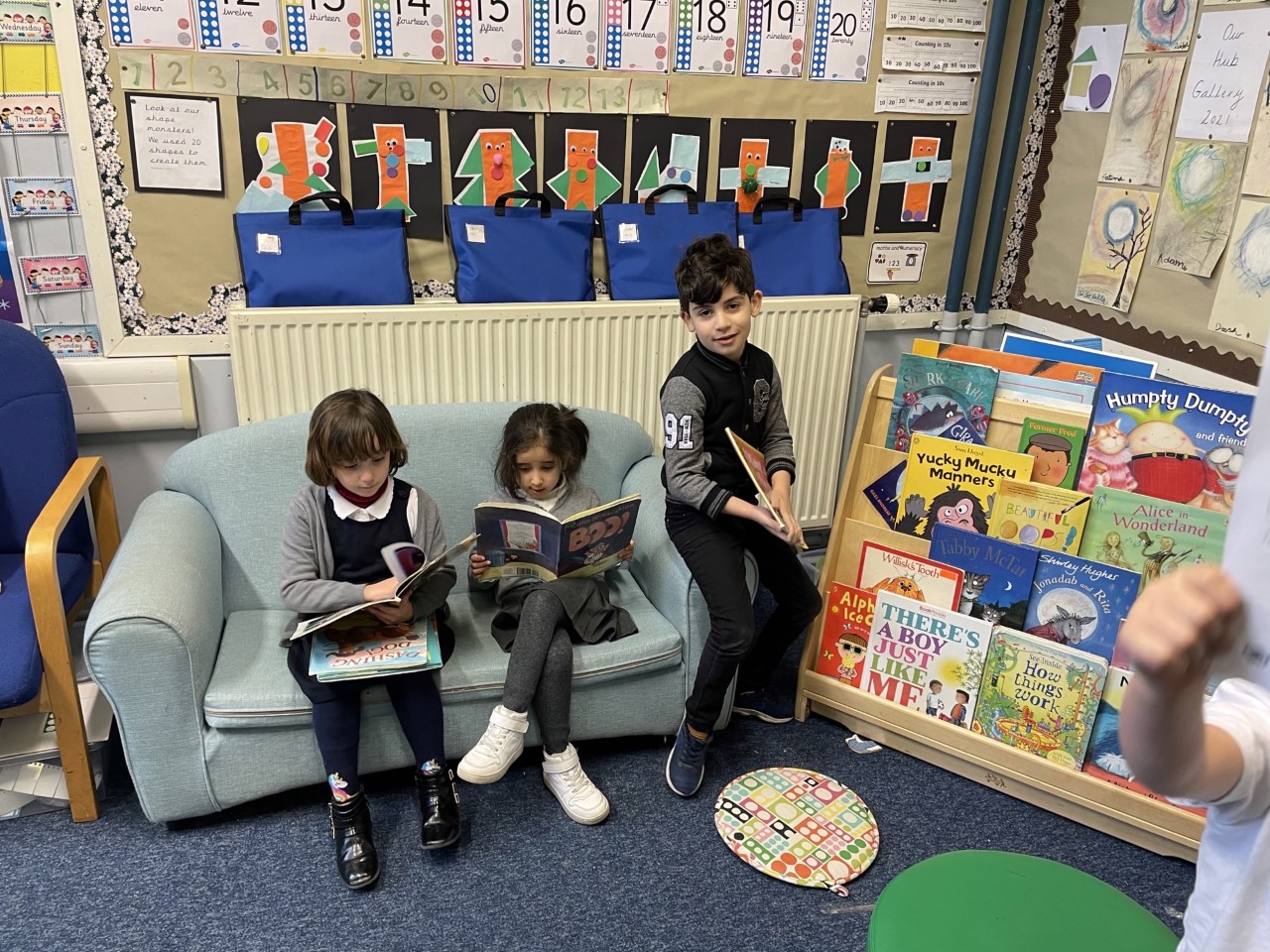
P3a had a great day celebrating World Boom day. They watched a live show where authors and illustrators gave suggestions on how to create stories. All pupils joined in drawing with Lydia Monks and Rob Biddulph, they also started to create a story about the character they have drawn. Pupils problem solved to create a fun environment to read in this afternoon and tomorrow they will be turning a potato into their favourite character.
To celebrate this year’s World Book Day we entered a competition to design a winter coat, hat and boots for “Shadrach” the lion, based on the book Shadrach by local author Susan Ralph.
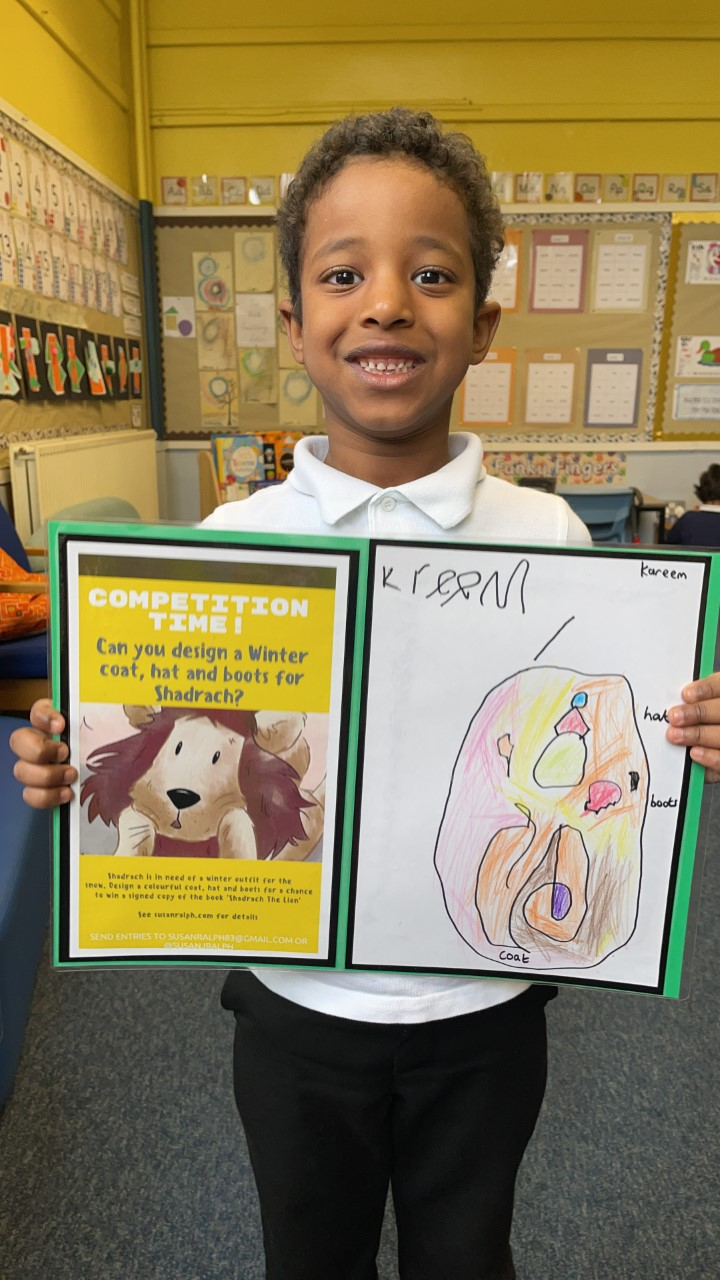
We were delighted that our very own Kareem was a winner! We will be receiving a signed copy of the book for our class library.
Well done Kareem!
Primary 2 had a great time celebrating World Book Day last week by watching a live stream of authors and illustrators including taking part in a drawing lesson with the author of ‘What the ladybird heard,’ Lydia Monks. She also really loves our drawings of the fine prize cow when we sent them to her on Twitter.
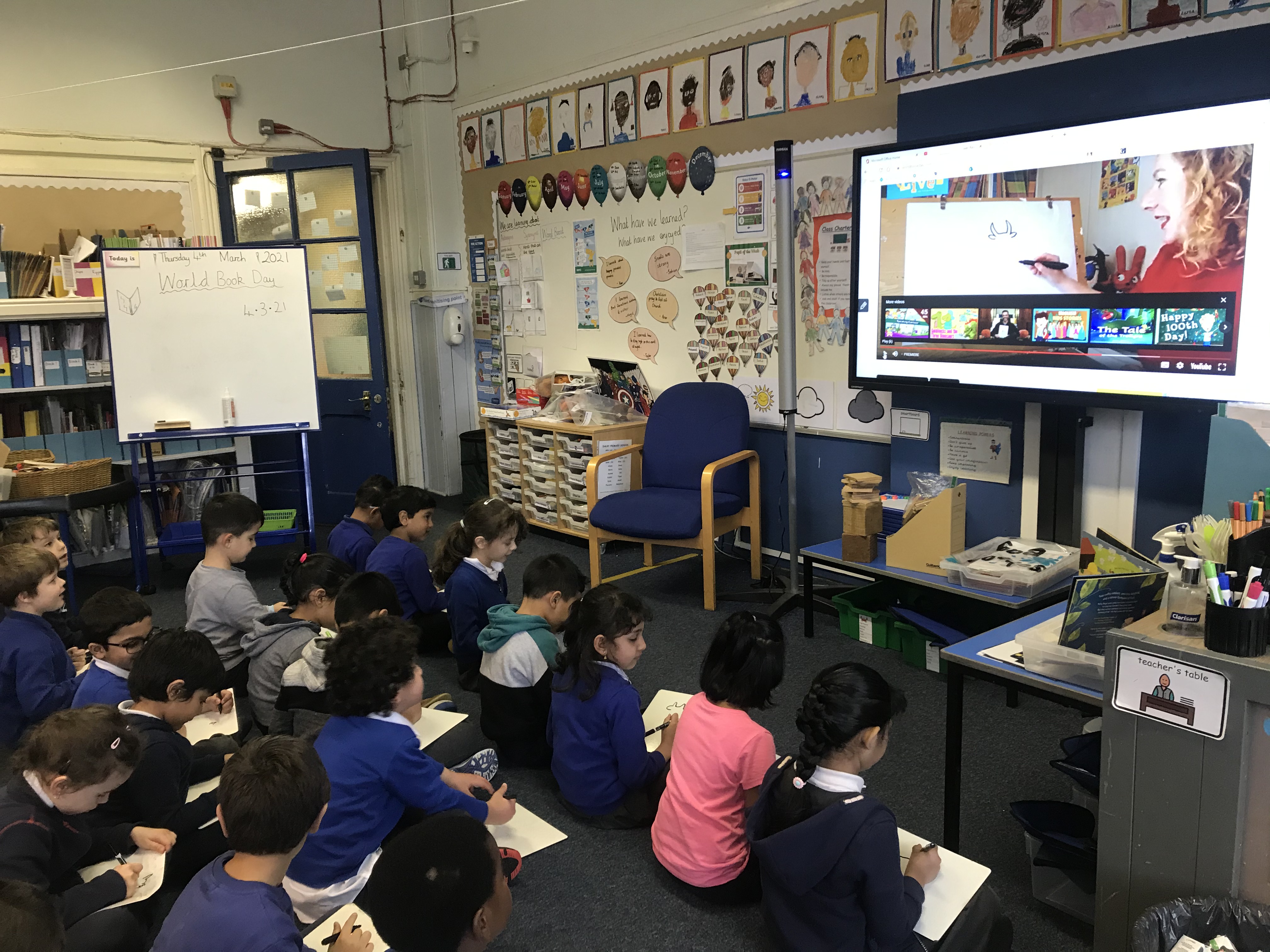
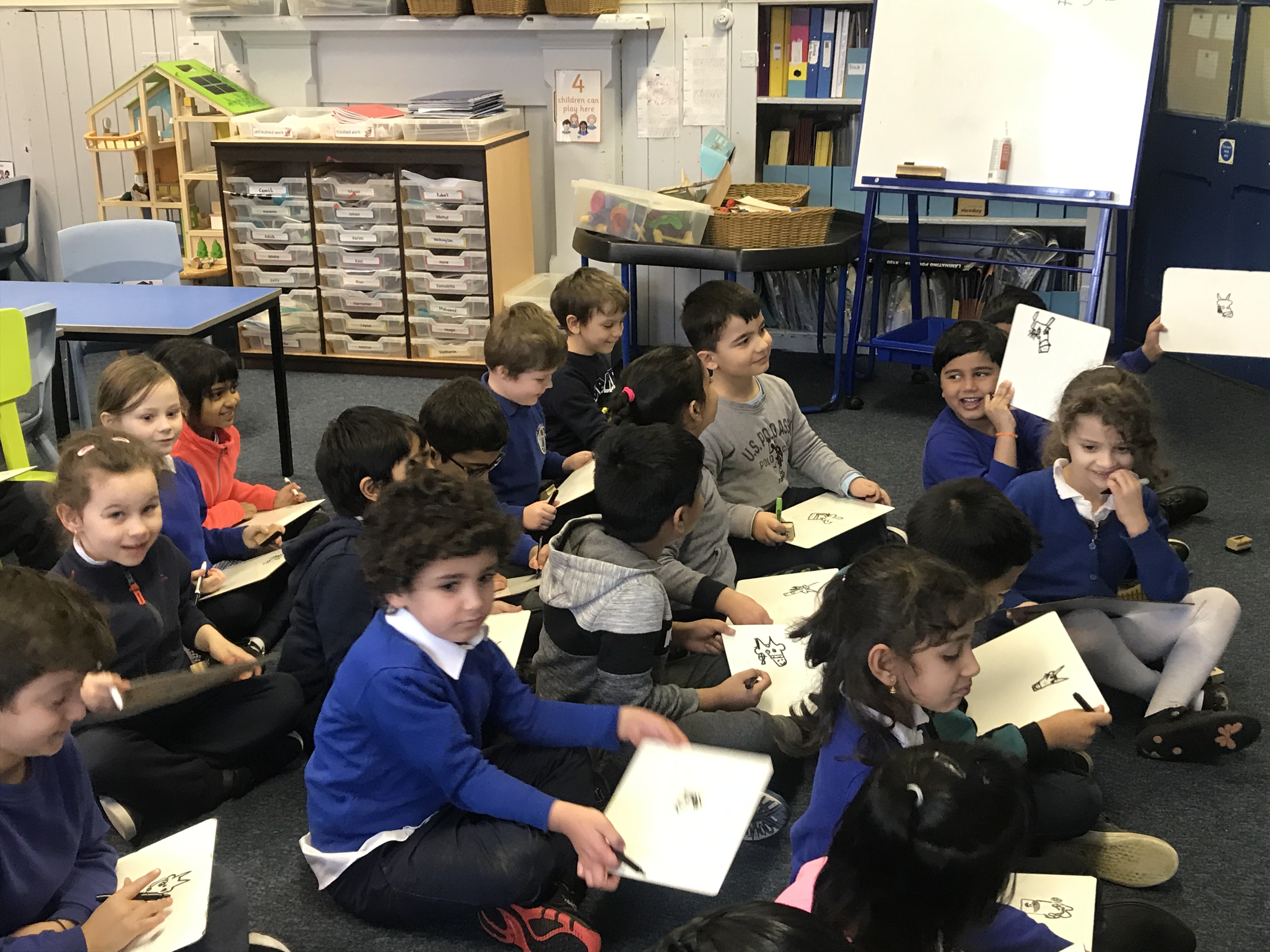
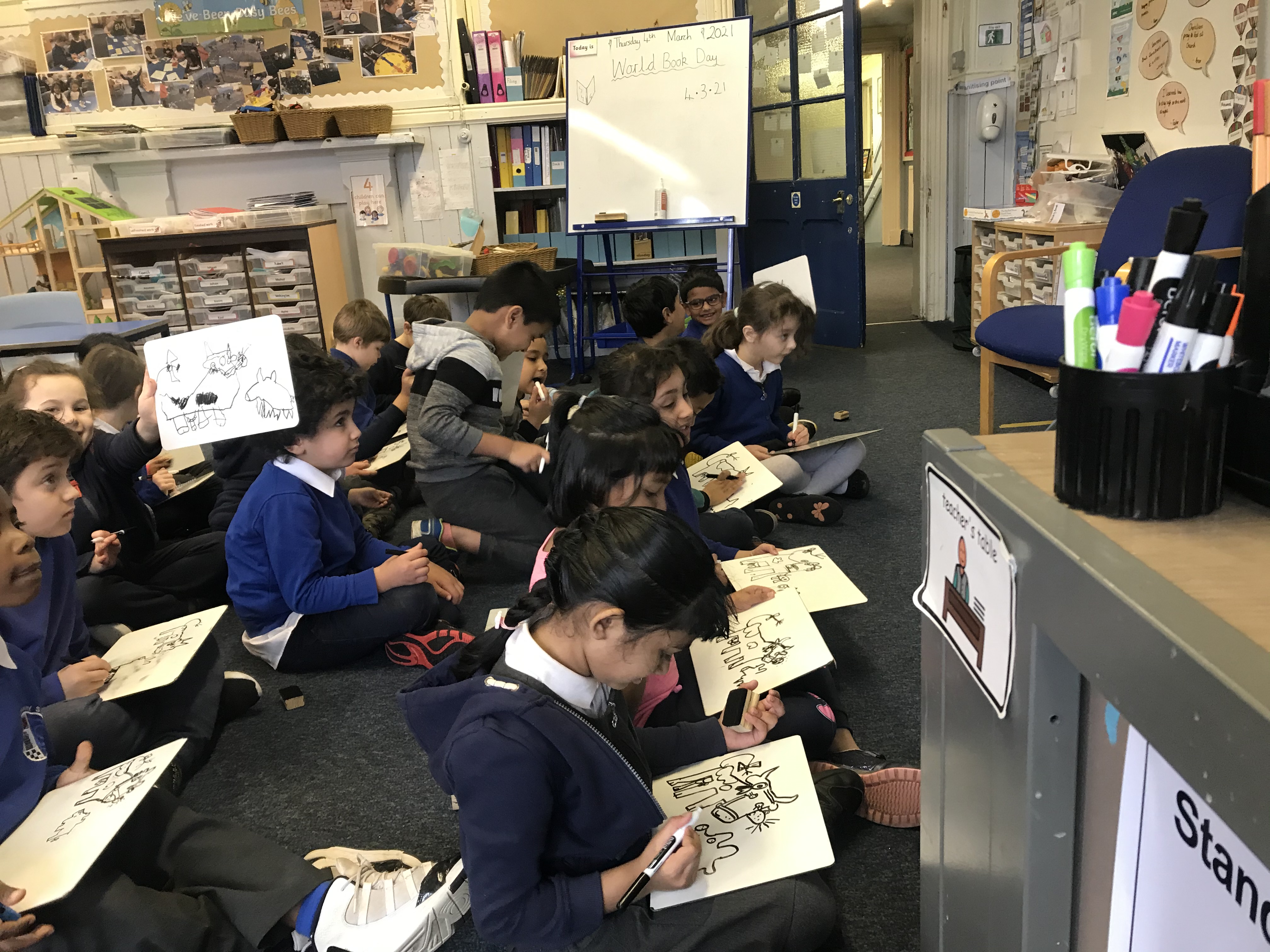
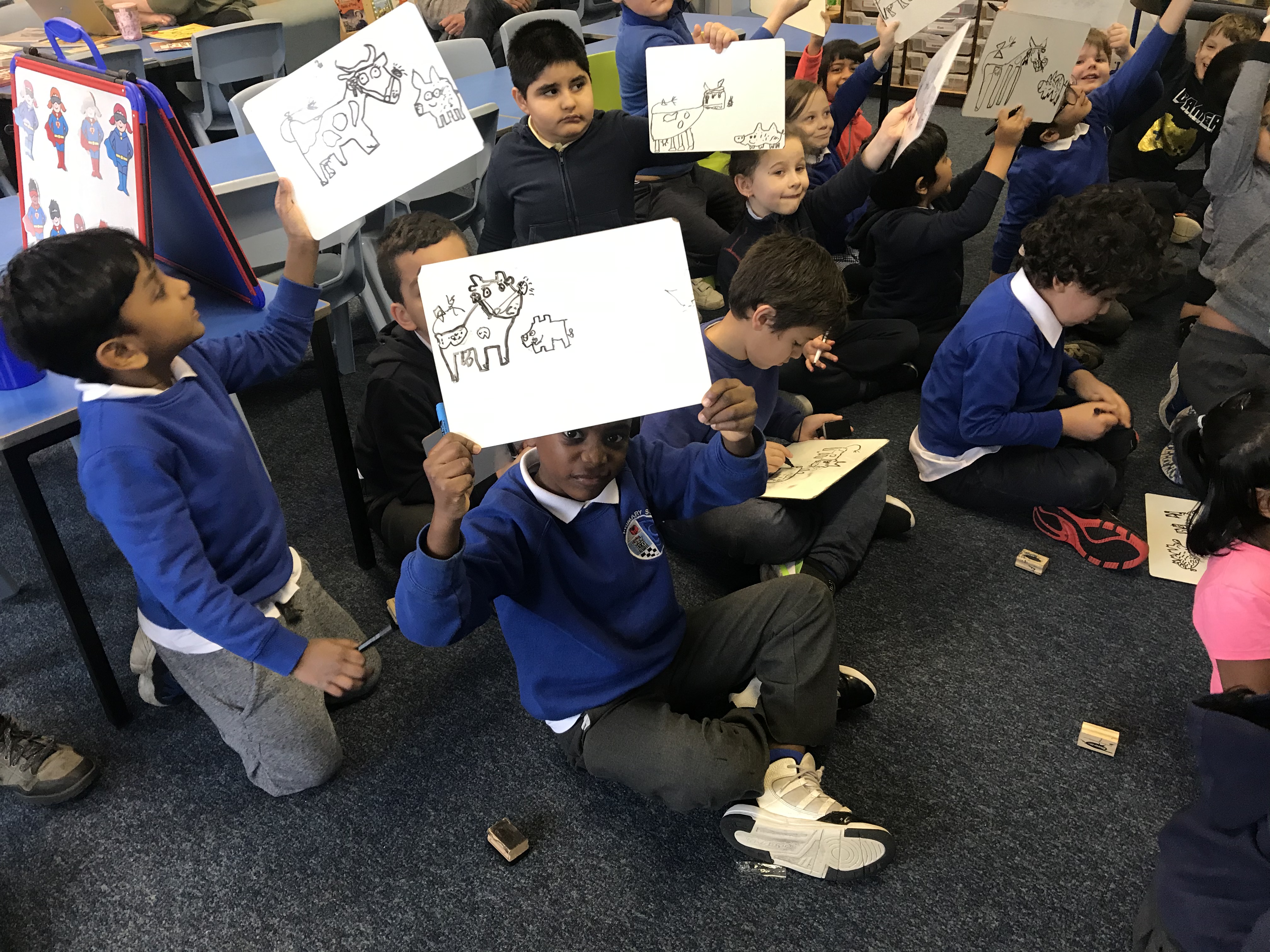
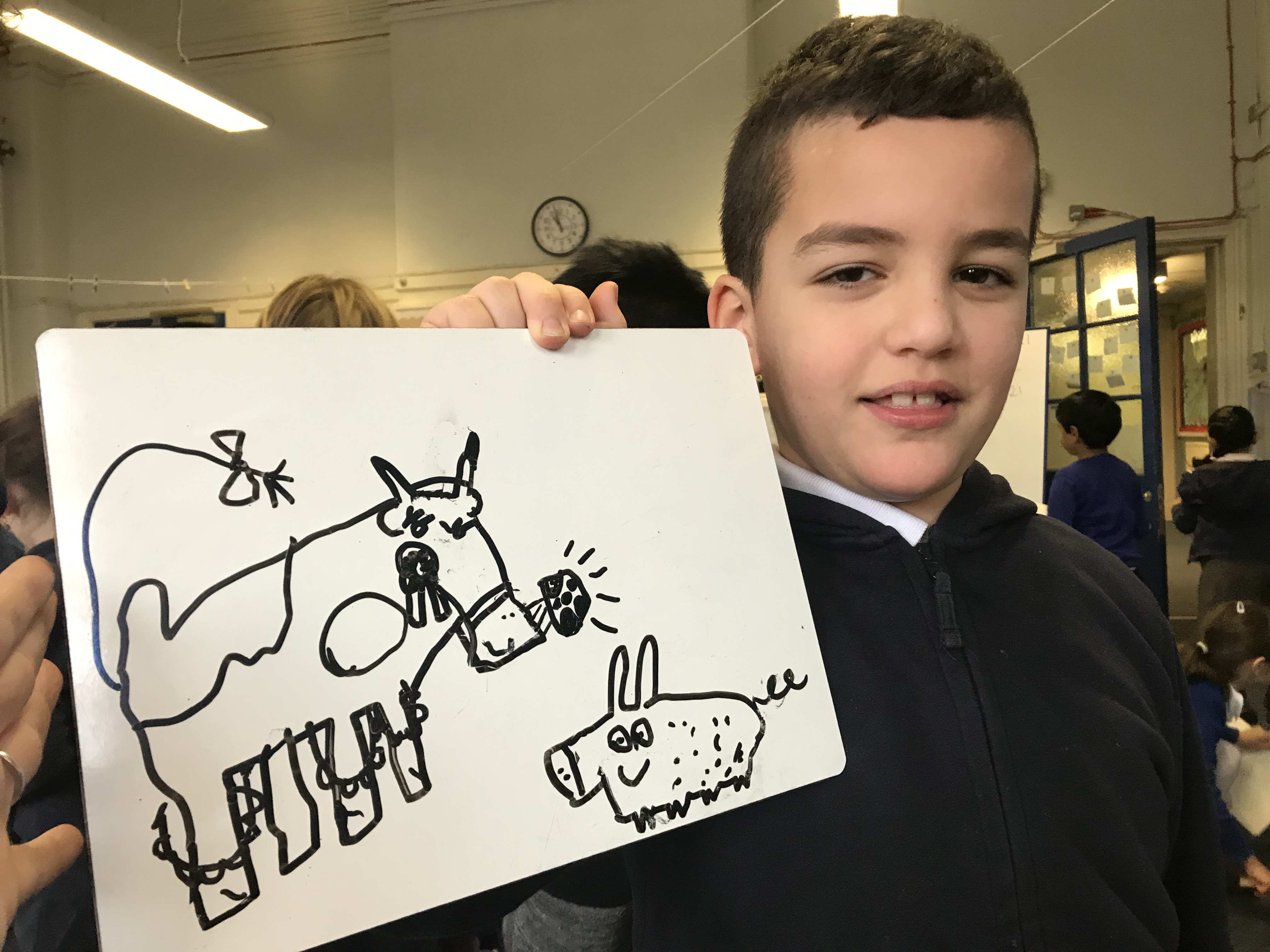
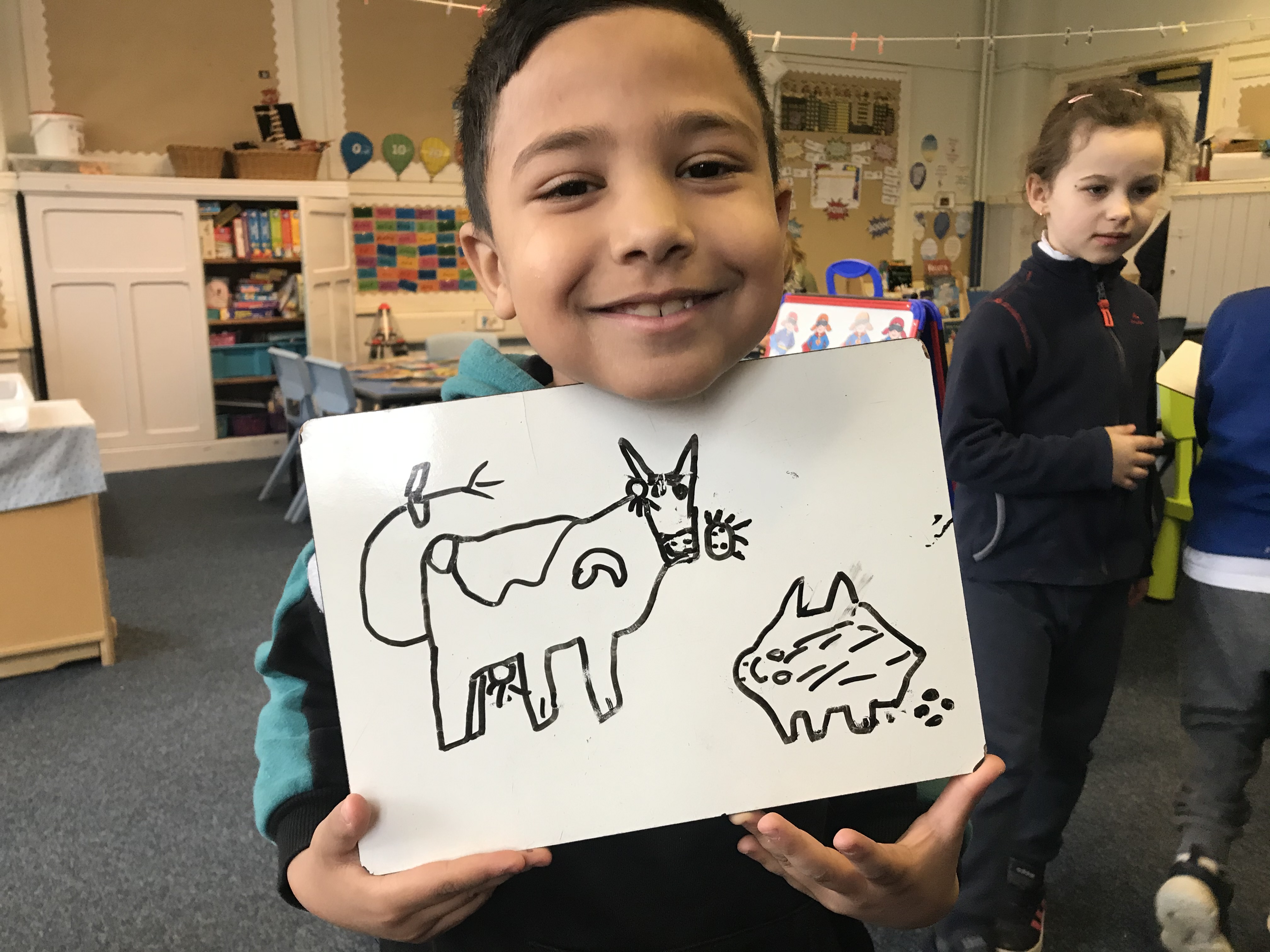
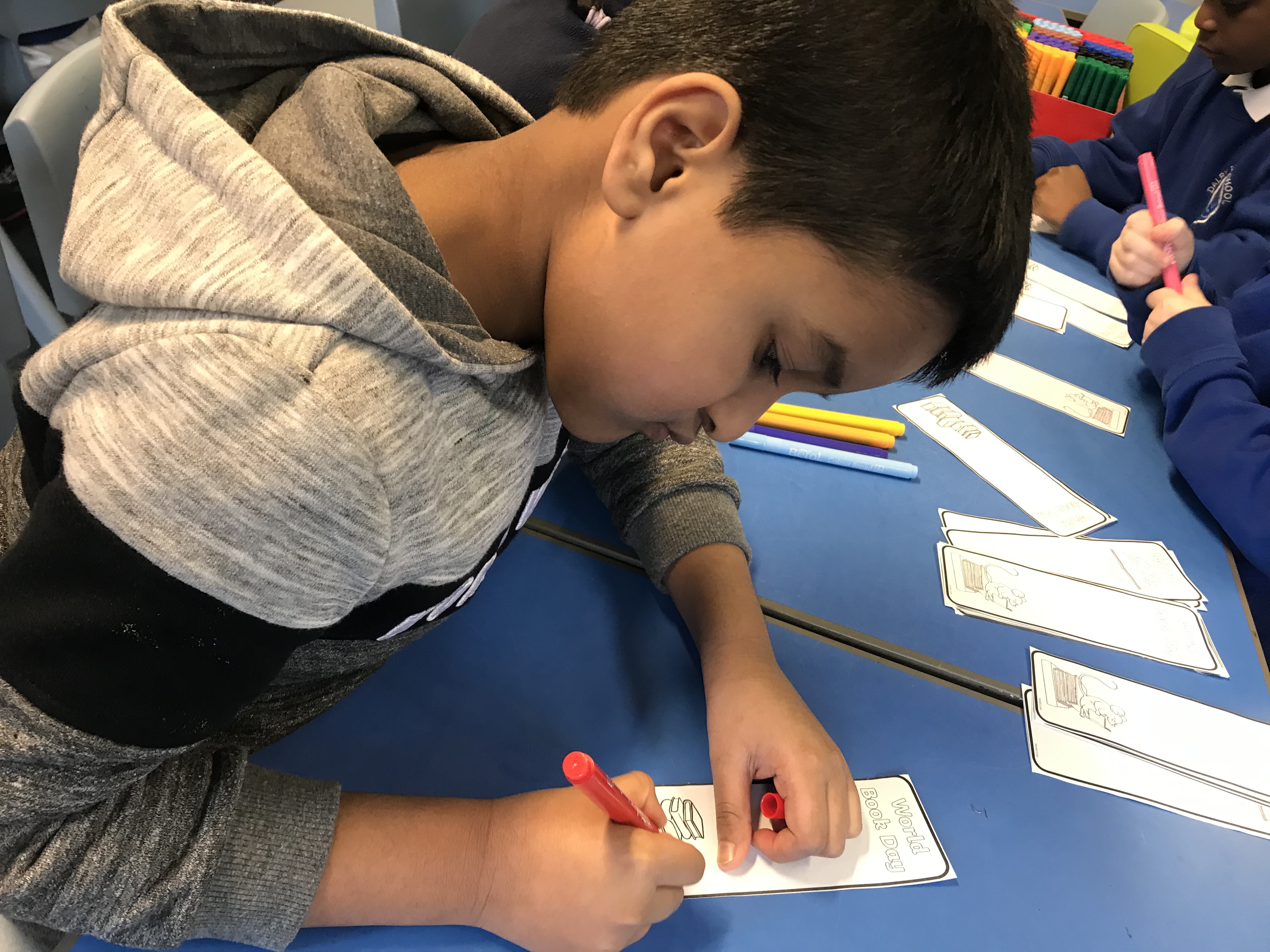
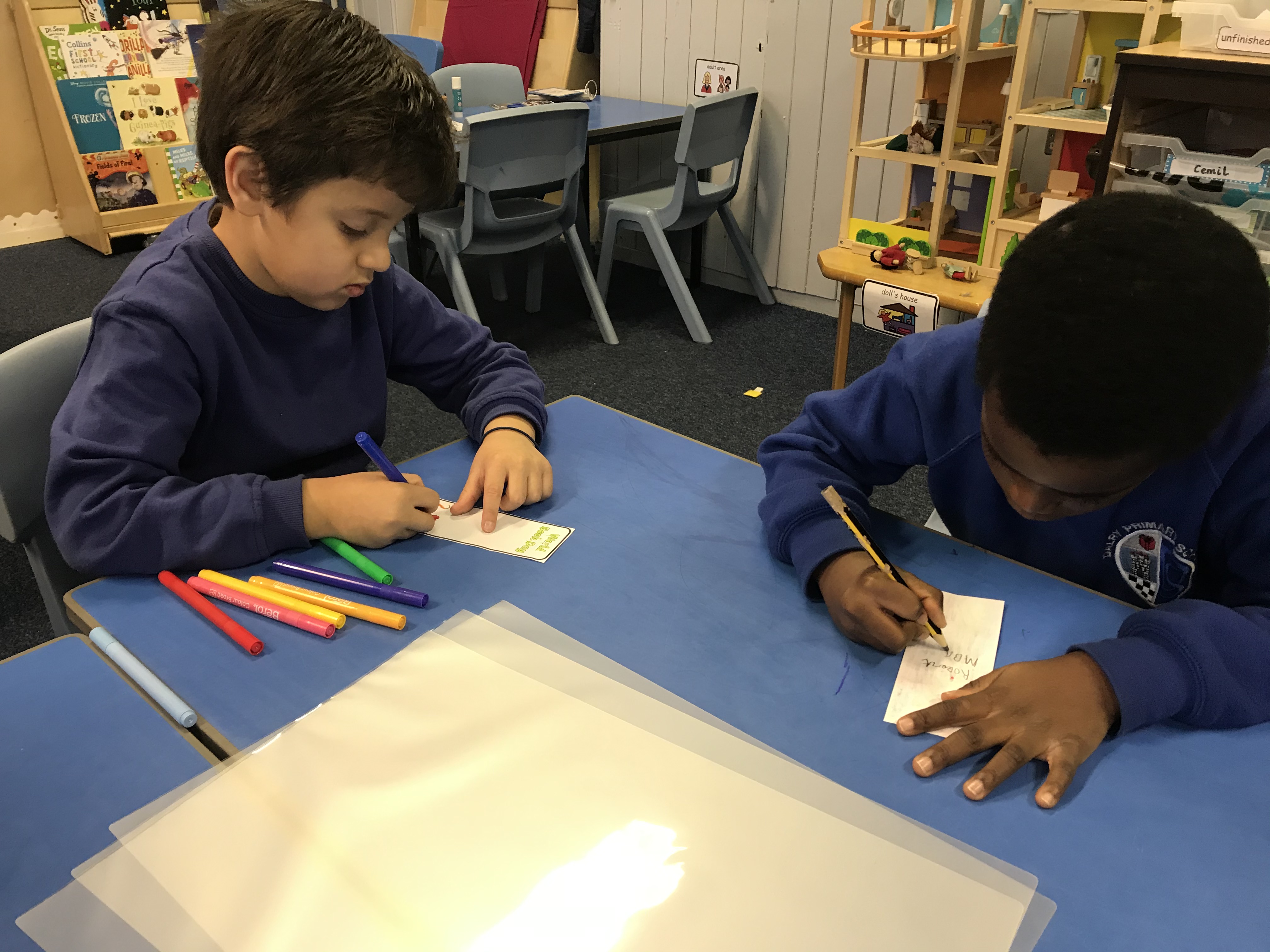
We also made bookmarks to take home and took part in a story book scavenger hunt in class looking for characters, objects and other things in the books.
On Friday, we split into 2 groups to act out the story of ‘What the ladybird heard’ and had great fun doing the animal noises
Here are the potato characters P3a created.
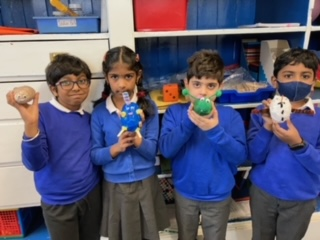
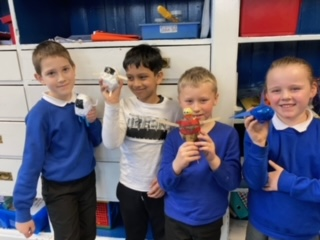
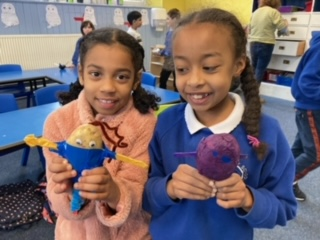
They all made either their favourite character or designed a new character, then they started to develop a story for their character. All the potato characters were sent home so pupils can tell their stories to people at home next week as part of their homework.
Please find linked below a letter from our Chief Education officer at City of Edinburgh council regarding the return of the upper school.
We will be providing more information from Dalry over the coming week and look forwards to seeing you all on the 15th.
If you need support to read this webpage or online letter via translation into an additional language please contact the translation service using this link https://www.edinburgh.gov.uk/languages
Here’s your next Tech Tuesday!
If you want to learn about tech and how to make your own apps and games this is the place to learn the skills!
All of these tasks are extra, fun, things to do, not must complete tasks, so only attempt it if you fancy it after your other work.
William Heath Robinson was a cartoonist.
Now why is Mr Bennett doing a Tech Tuesday about a cartoonist?
Well Mr Heath Robinson liked to draw cartoons of over-complicated machines and techniques for doing mundane, day to day, tasks.
Here’s one of his pictures from world war one showing silly ways of doing things.

His work inspired films and cartoons, especially some of the machines in Wallace and Gromit.
Since he became famous for these pictures his name has become the name for silly, over-complicated machines made for fun. People have made examples of these over the years and especially during COVID.
Here is a video of a Heath Robinson machine made during lockdown.
Coding is normally about the opposite of complication. Normally it’s about simplifying things.
However, creating games and apps is also about iteration.
Iteration is about testing and improving what you are working on.
In America Heath Robinson machines are called Rube Goldberg machines. There are lots of videos with that name on YouTube.
(I don’t actually know who Rube Goldberg is. Could you find out and tell me?
When I do robotics, in masterclasses at Dalry Primary, iteration (testing and improving) is key to getting our code to tell our robots to do what we want.
So why don’t you try making a Heath Robinson machine yourself! Video the results and send it on teams or pop it on YouTube (with your parents permission).
Start at the end: These machines are best built backwards. Start with your last action and build backward in time towards the start.
Test: Test each part a few times to be sure it works the same every time.
Section: Once you have a few pieces built and are certain they work take out the starting element of that section before building the next. Or you’ll be resetting the whole thing all the time and get very tired. We code movement sections indvidually in robotics lessons.
Making Heath Robinson machines is tricky in real life but even more tricky in the digital world.
If you think you caould try why not make a Heath Robinson machine in Scratch which at one click of the green flag makes one sprite know into another and another to achieve a task. You will probably need multiple screens. Here’s another video of a real life machine to give you ideas.
Try to make sprites that make sense and move differently, like magnets attracting to metal and balls rolling.
Have fun coding and building Digital Dalry!
If you are 11+ and interested in climate change the below information has been sent to us ahead of a new event.
Young climate activists from across Scotland have joined together to host a youth climate hustings in advance of the Scottish Parliament elections in May 2021.
‘The Climate Hot Seat’ has been organised by young people aged 13-32 representing seven youth organisations in Scotland. The event is specifically for young people to hold Scotland’s party leaders accountable for their climate action and to give other young people valuable information in advance of casting their vote. In the invitation to party leaders, the group said:
“Addressing climate change has never been more important than now. We only have a few years to keep warming below catastrophic levels and if elected to government, this will be something you will have to face during your term in office.”
The Climate Hot Seat event will take place on Friday 9th April via video conferencing. It is open to young people aged 11 – 25. Young people can sign up to attend here.
As well as attending the event, young people aged 11 – 25 across Scotland have the opportunity to put their climate and environmental questions to party leaders through an open call for questions that is OPEN NOW!
All questions submitted will be reviewed by the organising group of young people before the event and young people whose questions are chosen to be asked at the event will be contacted in advance. If young people are under 16, they will need parental/carer permission to submit a question.
The deadline for submitting questions is 9am on Friday 26th March 2021. Young people can submit their climate change questions through this form.
There will also be an opportunity for young people to join young climate activists and expert speakers to learn more about five key environmental areas with experts on Friday March 12th, at our The Climate Hot Seat – The Warm-Up event.
Transport, wildlife and biodiversity, fossil fuels and energy, climate targets, and agriculture are some of the most important issues Scotland faces in the fight against climate change. What do Scotland’s elected decision-makers have to do to keep warming below catastrophic levels? Young People can ask the experts and have their say in this interactive session. We will also be supporting you to register to vote in the upcoming Scottish Parliamentary elections in May 2021.
This event will be hosted on Zoom and is open to young people aged 11-25.
Young people can sign up here – https://the-climate-hot-seat-the-warm-up.eventbrite.co.uk
 Dalry Primary Edinburgh